Are Clear Aligners Better Than Braces?
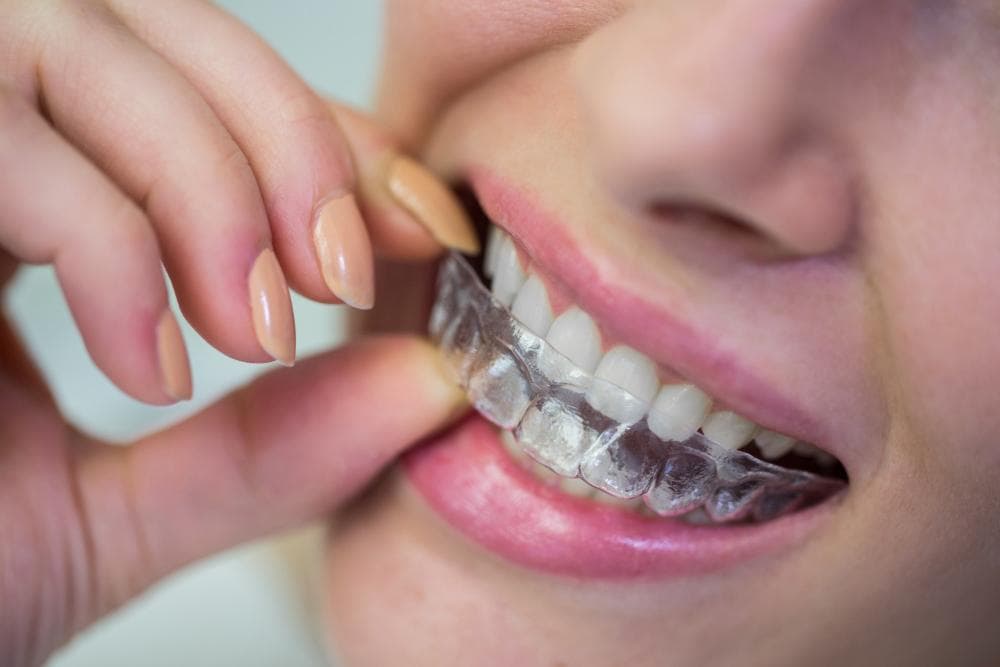
A close-up of a young woman holding a clear dental aligner close to her mouth while preparing to place it on her teeth. Her smile reveals her straight teeth, and her fingers are delicately positioned around the aligner.
A straight smile is something many people want, but choosing between clear aligners and braces can feel confusing. Both treatments help fix crooked teeth, gaps, bite issues, and alignment problems, but they work differently and come with their own benefits.
Some people prefer the nearly invisible look of aligners, while others may need the strength and precision of braces for more complex dental concerns. The right option depends on lifestyle, comfort, oral condition, and treatment goals.
Modern orthodontic treatments have become far more comfortable and effective than before. Whether someone wants a discreet solution for professional settings or a reliable treatment for severe alignment issues, there’s an option designed for them.
At Renew Dental, Noida, patients receive personalized orthodontic care based on their dental needs, comfort, and smile goals. In this guide, let’s understand the difference between clear aligners and braces, their pros and cons, and which option may work better for different situations.
What Are Clear Aligners?
Clear aligners are transparent, removable trays designed to gradually move teeth into the right position. They are custom-made for each patient and replaced every few weeks as the teeth shift over time. Unlike traditional braces, aligners don’t use wires or brackets. They fit snugly over the teeth and are almost invisible, making them popular among teenagers and adults who want a discreet orthodontic treatment.
What Are Dental Braces?
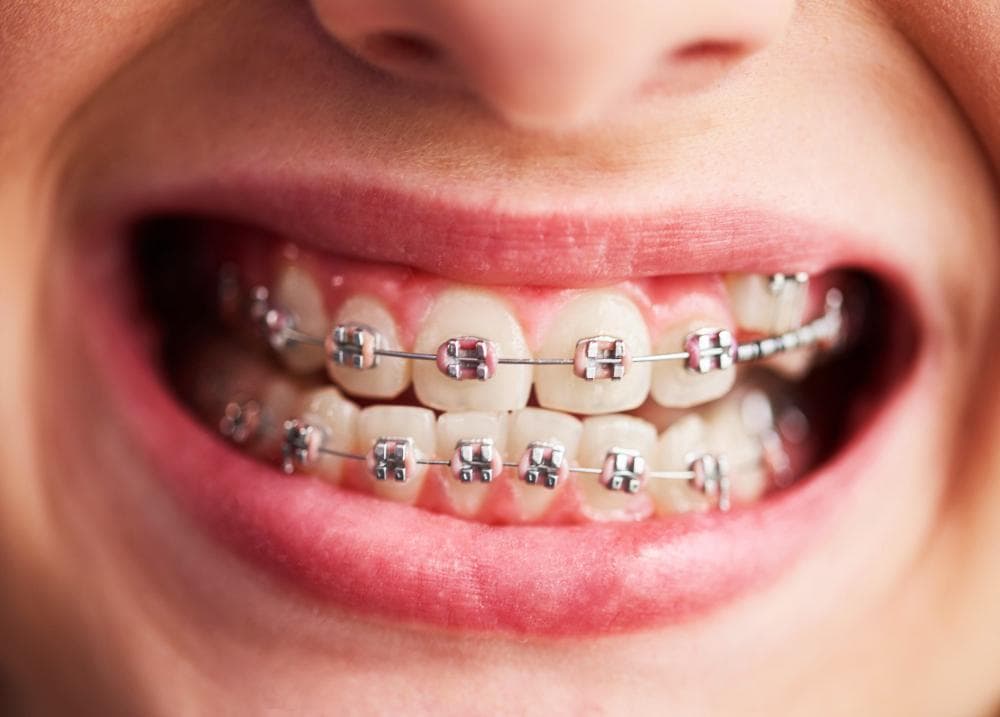
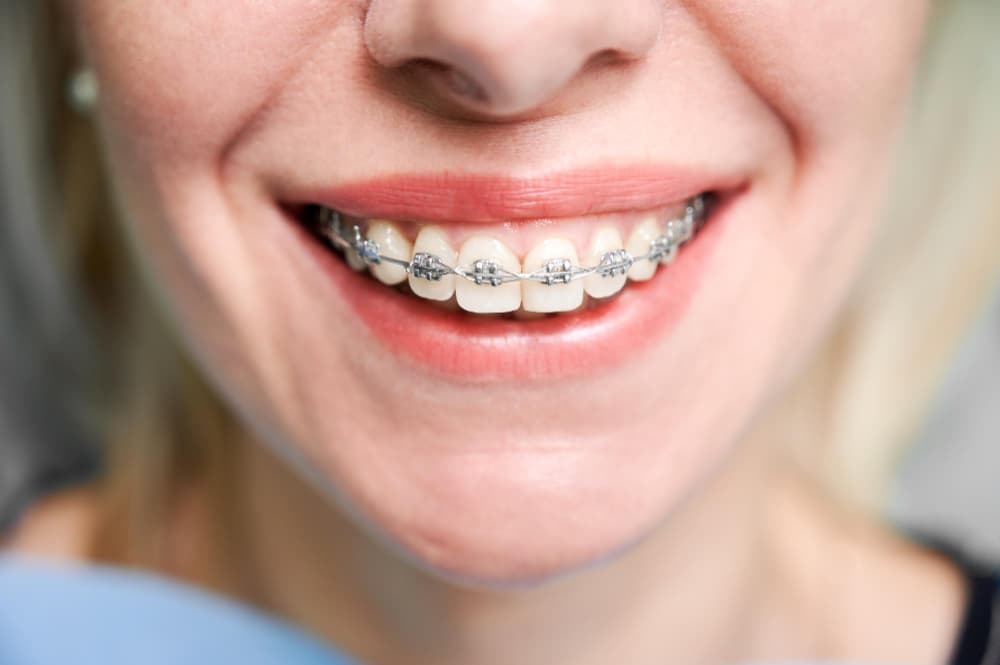
Dental braces use brackets, wires, and elastic bands to slowly move teeth into alignment. They apply continuous pressure to correct crowding, gaps, bite problems, and jaw alignment issues. Braces are fixed to the teeth throughout the treatment and adjusted regularly by the dentist to ensure steady progress. They are highly effective for both mild and complex orthodontic problems.
Clear Aligners Vs Braces: Key Differences
Both clear aligners and braces are effective orthodontic treatments used to straighten teeth and improve bite alignment. However, they differ in terms of appearance, comfort, maintenance, treatment flexibility, and suitability for different dental conditions. Understanding these differences helps patients choose the treatment that best matches their lifestyle and dental needs.
1. Appearance
Clear aligners are made from transparent plastic trays that fit closely over the teeth, making them almost invisible during daily activities. They are a popular choice among adults and professionals who want a discreet orthodontic solution.
Braces, on the other hand, use metal or ceramic brackets and wires attached to the teeth. Traditional metal braces are more visible, although ceramic braces offer a slightly less noticeable option.
2. Comfort
Aligners are usually considered more comfortable because they have smooth edges and do not contain metal parts that may rub against the cheeks or gums. Patients may feel mild pressure when switching to a new set of trays, which is a sign that the teeth are moving properly.
Braces may cause discomfort after tightening appointments, and the brackets or wires can sometimes irritate the inside of the mouth. Orthodontic wax is often used to reduce this irritation.
3. Removability
One of the biggest advantages of clear aligners is that they are removable. Patients can take them out while eating, brushing, flossing, or attending important social occasions. This flexibility makes daily life easier and more convenient.
Braces are fixed to the teeth throughout the treatment period and cannot be removed until the dentist completes the treatment.
4. Food Restrictions
Since aligners are removed during meals, patients can continue enjoying most foods without major restrictions. However, sugary drinks or hot beverages should be avoided while wearing them.
With braces, certain foods like popcorn, chewing gum, sticky candies, nuts, and hard snacks should be avoided because they can damage brackets and wires or get stuck between them.
5. Oral Hygiene
Maintaining oral hygiene is generally easier with aligners because patients can remove them and brush or floss normally. This reduces the risk of plaque buildup and gum problems during treatment.
Braces require extra care while cleaning because food particles can easily get trapped around brackets and wires. Special brushes or flossing tools are often needed for proper cleaning.
6. Treatment Complexity
Braces are usually more effective for severe orthodontic cases, including major crowding, rotated teeth, jaw misalignment, and complex bite problems. They allow dentists to control tooth movement very precisely.
Clear aligners work best for mild to moderate alignment concerns, although newer aligner systems can now treat many advanced cases as well.
7. Treatment Duration
Treatment time depends on the severity of the dental issue. Mild cases may sometimes be corrected faster with aligners, especially when patients wear them consistently for the recommended hours daily.
Braces may take longer in some cases, but they are highly reliable for complicated corrections that require continuous pressure.
8. Follow-Up Appointments

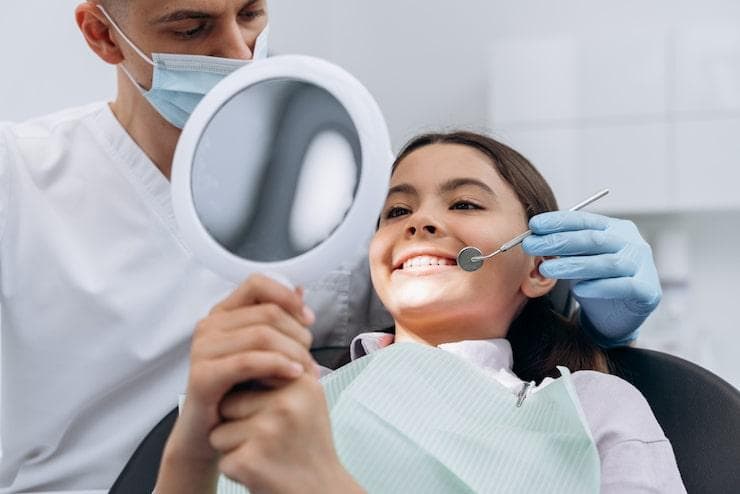
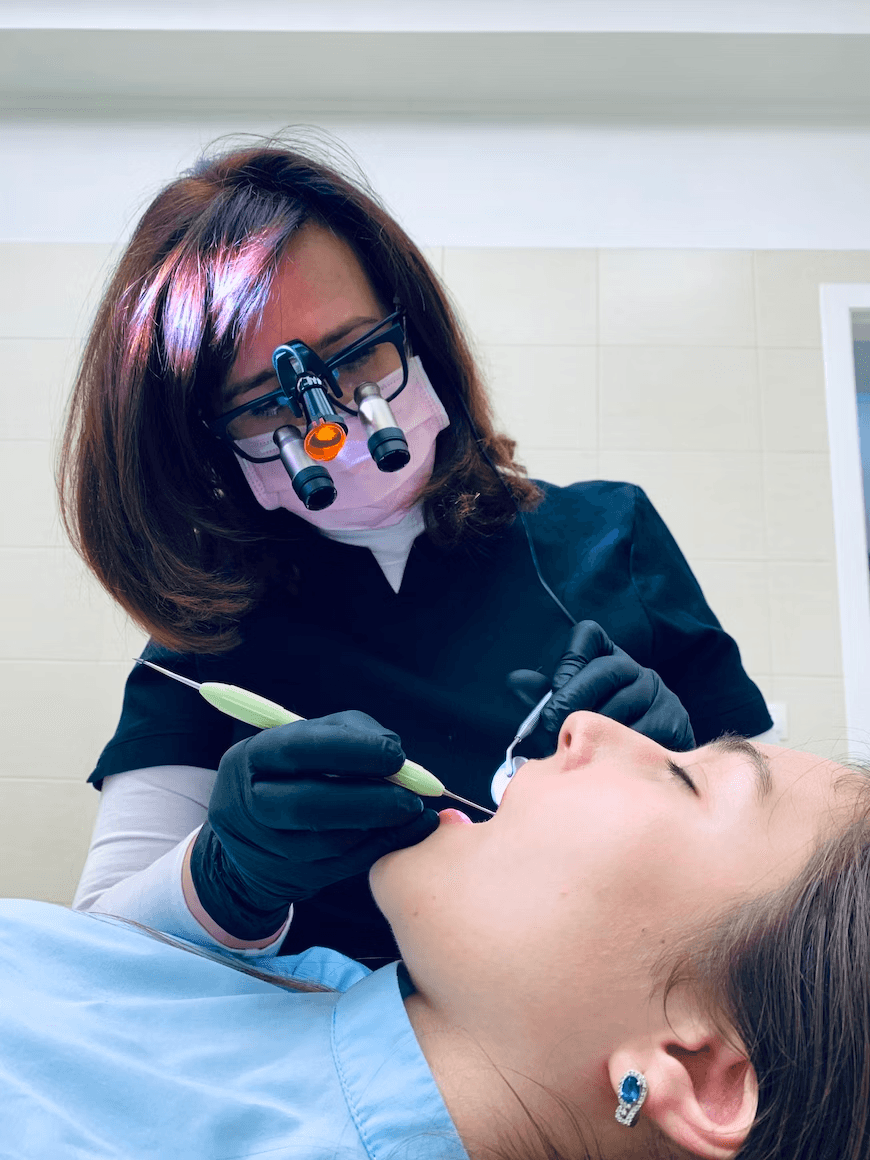
A dentist examines a patient’s mouth in a dental clinic.
Aligner treatments usually involve fewer dental visits because patients receive multiple sets of trays in advance. Regular checkups are still necessary to monitor progress.
Braces require more frequent appointments for tightening, wire adjustments, and monitoring tooth movement.
9. Discipline And Patient Responsibility
Clear aligners require strong patient commitment. Since they are removable, treatment may slow down if they are not worn for the recommended 20–22 hours daily.
Braces work continuously because they stay attached to the teeth, making them a good option for younger patients or those who may forget to wear aligners consistently.
10. Risk Of Damage Or Loss
Aligners can sometimes get misplaced, cracked, or accidentally thrown away when removed during meals. Proper storage is important to avoid delays in treatment.
Braces cannot be lost because they are fixed, but brackets or wires may occasionally break if patients eat hard foods or apply too much pressure.
11. Speech Adjustment
Some patients wearing clear aligners may notice a slight lisp during the first few days until they adjust to the trays.
Braces may also affect speech temporarily, especially right after placement or adjustments, but most patients adapt quickly.
12. Cost Differences
The cost of aligners and braces varies depending on treatment complexity, duration, and the type of material used. In some cases, clear aligners may cost more because of advanced digital planning and customized tray fabrication.
13. Overall Aesthetics And Confidence
Many patients choose clear aligners because they feel more confident smiling, speaking, or attending social events during treatment. Their invisible appearance makes orthodontic care less noticeable.
Braces, while more visible, remain highly effective and are now available in less noticeable options, such as ceramic braces for improved aesthetics.
Benefits Of Clear Aligners
Clear aligners have become increasingly popular because of their convenience and discreet appearance.
- Nearly invisible appearance - The transparent trays are difficult to notice, making them suitable for working professionals, students, and adults who want a less visible treatment.
- Comfortable to wear - Since aligners are smooth and custom-made, they reduce the chances of cuts or irritation inside the mouth.
- Easier eating experience - Patients can remove aligners during meals, which means there are fewer food restrictions compared to braces.
- Better oral hygiene - Because the trays are removable, brushing and flossing remain easier and more effective during treatment.
- Fewer dental visits - Aligners usually require fewer adjustment appointments compared to traditional braces.
Benefits Of Dental Braces
Braces remain one of the most effective orthodontic treatments for many dental concerns.
- Effective for complex cases - Braces can correct severe crowding, rotated teeth, jaw issues, and complicated bite problems more effectively.
- Continuous treatment - Since braces are fixed, they work continuously without depending on patient discipline or wearing time.
- Suitable for all age groups - Braces can treat orthodontic problems in children, teenagers, and adults successfully.
- Precise tooth movement - They allow dentists to make detailed adjustments for accurate tooth positioning and bite correction.
Are Clear Aligners Faster Than Braces?
Treatment time depends on the complexity of the dental issue. Mild cases may be corrected faster with aligners, while complex problems often require braces for better long-term results. On average, aligner treatments may take around 6 to 18 months, while braces commonly take 18 to 24 months or longer for complicated cases.
Who Should Choose Clear Aligners?
Clear aligners may be suitable for people who:
- Have mild to moderate alignment issues.
- Want a discreet orthodontic option.
- Can wear aligners consistently for 20–22 hours daily.
- Prefer removable treatment trays.
- Maintain good oral hygiene habits.
Who Should Choose Braces?
Braces are often recommended for patients who:
- Have severe crowding or bite problems.
- Need major tooth movement.
- May struggle to wear aligners consistently.
- Require precise orthodontic correction.
- Need long-term fixed treatment for better control.
Things To Consider Before Choosing
Before selecting aligners or braces, several factors should be discussed with the dentist.
- Lifestyle - People who attend meetings, public events, or social gatherings may prefer aligners because they are less noticeable.
- Discipline - Aligners only work effectively when worn consistently. Patients who frequently remove them may not get the expected results.
- Budget - Treatment costs vary depending on complexity and duration. In some cases, braces may be more affordable than aligners.
- Dental condition - Complex orthodontic problems may respond better to braces than aligners.
- Treatment duration - Some patients may want faster cosmetic improvement, while others may prioritize long-term correction. The dentist evaluates which treatment can deliver effective and stable results within the expected timeline.
- Comfort preference - Patients who are sensitive to metal brackets or wires may feel more comfortable with smooth, removable aligners. However, some patients adjust well to braces after the initial phase.
- Oral hygiene habits - Aligners are easier to clean and allow normal brushing and flossing. Patients who struggle with maintaining oral hygiene may need to consider which option is easier for them to manage daily.
- Eating habits - People who frequently snack or consume sugary drinks may find aligners less convenient because they need to remove and clean them before wearing them again. Braces, however, come with food restrictions that must be followed carefully.
- Age and responsibility - Teenagers or younger patients who may forget to wear aligners regularly could benefit more from fixed braces, which work continuously without depending on patient discipline.
- Follow-up visits - Braces usually require more regular adjustment appointments, while aligners may involve fewer dental visits. Patients with busy schedules may consider this factor before choosing treatment.
- Aesthetic concerns - Some patients feel self-conscious about visible braces and prefer aligners for their nearly invisible appearance, especially during social or professional interactions.
- Risk of damage or loss - Aligners can be misplaced, cracked, or accidentally discarded if not handled carefully. Braces stay fixed to the teeth but may occasionally need repair if brackets or wires break.
- Long-term goals - The choice between braces and aligners should also depend on the patient’s long-term smile goals, expected results, and commitment to maintaining treatment properly throughout the process.
Foods To Avoid During Braces Treatment

An assortment of white chewing gums is displayed on a gray background.
Certain foods can damage braces, loosen brackets, or slow down orthodontic treatment progress, making proper food choices very important.
- Sticky foods like chewing gum and caramel can get stuck in braces and pull brackets loose.
- Hard foods such as nuts, popcorn, and hard candies may break wires or brackets.
- Chewy foods like bagels and tough meat can put extra pressure on braces.
- Crunchy snacks, including chips and ice, may damage orthodontic appliances.
- Sugary foods and drinks can increase plaque buildup and raise the risk of cavities around braces.
- Biting directly into hard fruits like apples or corn on the cob may loosen brackets and should be avoided.
How To Clean Clear Aligners Properly
Proper cleaning habits help keep clear aligners transparent, hygienic, and free from stains or unpleasant odor during treatment.
- Rinse aligners with lukewarm water every time they are removed.
- Brush the aligners gently using a soft toothbrush and mild soap.
- Avoid using hot water, as it may warp or damage the aligners.
- Clean teeth before wearing aligners again to prevent bacteria buildup.
- Store aligners in their protective case when not in use to avoid contamination or loss.
- Avoid colored drinks like coffee, tea, or soda while wearing aligners to prevent staining.
Signs That You May Need Orthodontic Treatment
Certain dental and jaw-related symptoms may indicate the need for braces or clear aligners to improve oral health and smile alignment.
- Crooked or overlapping teeth affect the appearance of the smile or the ability to clean.
- Gaps between teeth that may impact bite alignment or confidence.
- Crowded teeth make brushing and flossing difficult.
- Difficulty biting or chewing food comfortably.
- Frequent jaw pain, clicking, or discomfort while speaking or eating.
- Teeth that do not align properly when the mouth is closed.
- Speech difficulties caused by dental alignment issues.
- Habitual mouth breathing or thumb sucking affects jaw development.
How Renew Dental, Noida Helps?
At Renew Dental, Noida, every orthodontic treatment begins with a detailed dental evaluation. The dental team carefully studies the alignment, bite, and overall oral health before recommending the most suitable option.
Whether a patient chooses clear aligners or braces, the focus remains on comfortable treatment, accurate correction, and long-term smile improvement. Advanced dental technology and personalized care help patients achieve healthier and more confident smiles.
Final Thoughts
Clear aligners and braces both work effectively for straightening teeth, but the better option depends on individual needs. Aligners offer comfort, flexibility, and a nearly invisible appearance, while braces provide stronger correction for complex dental issues.
The best way to choose is through a professional dental consultation. At Renew Dental, Noida, patients receive expert guidance to understand which treatment fits their smile goals, lifestyle, and orthodontic needs. With the right treatment plan, achieving a straighter and healthier smile becomes easier, more comfortable, and more effective.
Frequently Asked Questions
1. Are clear aligners more comfortable than braces?
Yes, clear aligners are usually more comfortable because they do not have metal wires or brackets that may irritate the mouth.
2. Can clear aligners fix severe teeth alignment issues?
Clear aligners work best for mild to moderate cases, while severe alignment problems may require braces.
3. How long should clear aligners be worn daily?
Clear aligners should typically be worn for 20–22 hours a day for effective results.
4. Which is more noticeable, braces or clear aligners?
Braces are more visible, whereas clear aligners are nearly invisible and more discreet.