Braces On Teeth - Types, Benefits, And What To Expect During Treatment
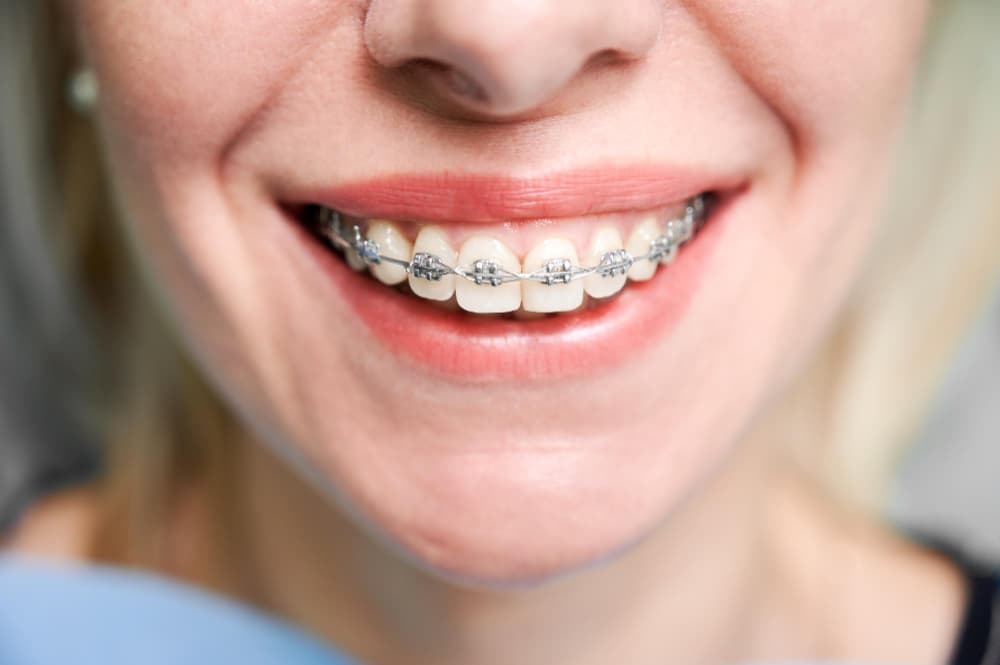
A close-up of a woman's teeth which have braces on them.
Crooked, crowded, or misaligned teeth affect more than appearance. They make cleaning harder, which increases the risk of decay and gum disease. They can affect your bite, cause jaw discomfort, and in some cases, make chewing and speaking more difficult than they should be.
Orthodontic treatment — braces being the most established form — addresses all of this. But for most patients considering braces, the bigger questions are about the experience itself: what are the options, how long does treatment take, what does it feel like, and is it worth it?
This guide answers all of those questions, specifically for patients in Noida, Greater Noida, and across Delhi NCR, considering treatment at a clinic like Renew Dental Clinic in Sector 47, Noida.
Why Braces Aren't Just About Looks
It's easy to think of braces as primarily cosmetic — and for some patients, wanting a straighter smile is the main motivation. That's entirely valid. But it's worth understanding that orthodontic treatment has clinical benefits that extend well beyond aesthetics.
Crowded teeth are harder to brush and floss properly. Food and bacteria accumulate in tight spaces where bristles can't reach, creating a higher risk of cavities and gum disease.
Bite misalignment — when upper and lower teeth don't meet correctly — places uneven pressure on certain teeth, leading to faster wear. Over time, it can contribute to jaw pain, headaches, and temporomandibular joint (TMJ) issues.
Gaps and spacing issues affect how well you can chew food, which has downstream effects on digestion.
Getting braces isn't vanity. For many patients, it's one of the most functionally important dental decisions they can make.
How Braces Work
Braces work by applying continuous, controlled pressure on teeth over an extended period, gradually moving them into the correct position.
The components that create this movement are
- Brackets — small attachments bonded directly to the surface of each tooth
- Archwire — a thin, flexible wire that runs through the brackets and guides tooth movement
- Elastic bands (ligatures) — hold the wire to the brackets; in some systems, these are built into the bracket itself
- Rubber bands (elastics) — worn between upper and lower brackets in some cases to address bite alignment
Your orthodontist at Renew Dental Clinic, Noida adjusts the tension on the archwire at regular appointments — typically every 4 to 6 weeks — so the pressure is maintained and teeth continue moving in the right direction.
Types of Braces Available in Noida
Different types of braces suit different patients based on the complexity of their case, their age, lifestyle, and aesthetic preferences. Here's an honest breakdown of each.
Metal Braces (Traditional Braces)
The original and still the most widely used orthodontic system. Metal brackets and wires have come a long way — today's metal braces are smaller, more comfortable, and more efficient than earlier generations.
Who they're best for:
- Patients of any age with mild to severe alignment issues
- Younger patients (teens and children) — more durable and less affected by diet and hygiene habits
- Patients who want the most cost-effective option with proven reliability
- Complex cases requiring significant tooth movement
Advantages:
- Highly effective across a wide range of orthodontic problems
- Less prone to staining than ceramic alternatives
- Colourful elastic bands can be a fun personalisation option for younger patients
- Generally, the most affordable type of fixed brace
Considerations:
- Visually prominent — the metallic appearance is noticeable
- Can cause some initial discomfort on the inner cheeks as the mouth adapts
Ceramic Braces
Ceramic braces function identically to metal braces but use tooth-coloured or clear ceramic brackets instead of stainless steel. The wire is also often tooth-coloured. The result is a much less visible appliance.
Who they're best for:
- Adults and older teenagers who want straighter teeth with minimal visual impact
- Patients with mild to moderate alignment issues
- Working professionals or those in social roles where visible braces feel inconvenient
Advantages:
- Significantly more discreet than metal braces
- Effective for most orthodontic cases
- More aesthetically comfortable for adult patients
Considerations:
- More brittle than metal — brackets can chip if subjected to a strong force
- The elastic ligatures can stain over time with tea, coffee, and certain foods, requiring more careful dietary habits
- Generally more expensive than metal braces
Clear Aligners (Invisible Braces)
Clear aligners — including systems like Invisalign — are removable, transparent trays custom-made to fit over your teeth. A new set of trays is worn every 1 to 2 weeks, each incrementally moving teeth closer to the target position.
Who they're best for:
- Adults who want virtually invisible treatment
- Patients with mild to moderate alignment issues
- Those who prioritise flexibility — aligners can be removed for eating and for important events
- Patients with high standards of oral hygiene who can commit to wearing the trays 20 to 22 hours per day
Advantages:
- Nearly invisible during wear
- Removable for eating, drinking, brushing, and flossing
- Generally more comfortable than fixed braces (no brackets or wires)
- Fewer emergency visits needed (no bracket breakages)
Considerations:
- Effectiveness is limited for severe or complex cases
- Discipline is essential — results suffer significantly if trays aren't worn for the required hours
- More expensive than metal or ceramic braces in most cases
- Not suitable for all orthodontic problems
Self-Ligating Braces
A variation of traditional fixed braces where the bracket itself holds the archwire using a built-in clip rather than elastic ligatures. This reduces friction and may allow teeth to move more efficiently.
Who they're best for:
- Patients who want fixed braces but want to reduce the friction associated with standard brackets
- Those where treatment efficiency and reduced appointment frequency are priorities
Advantages:
- Often requires fewer and shorter adjustment appointments
- Less friction may mean faster overall treatment in some cases
- The bracket's built-in clip means ligatures don't need changing at every visit
Considerations:
- More expensive than standard metal braces
- Less visually discreet than clear aligners or ceramic options
Which Type Is Right for You?
The honest answer is: your dentist or orthodontist needs to assess your teeth first.
At Renew Dental Clinic in Noida, Dr. Suchi Singh evaluates several factors before recommending a brace type:
- The severity of crowding, spacing, or bite misalignment
- Your age and jaw development stage (relevant for children and teenagers)
- Your lifestyle and oral hygiene habits
- Aesthetic preferences and any specific requirements around appearance
- The complexity of the movement required
Many patients arrive with a preference — often for clear aligners because they're less visible. In many cases, that's achievable. But in others, fixed braces produce better, faster, more reliable results. Dr. Suchi Singh will explain why and let you make an informed decision.
The Orthodontic Treatment Journey — What to Expect
Initial Consultation
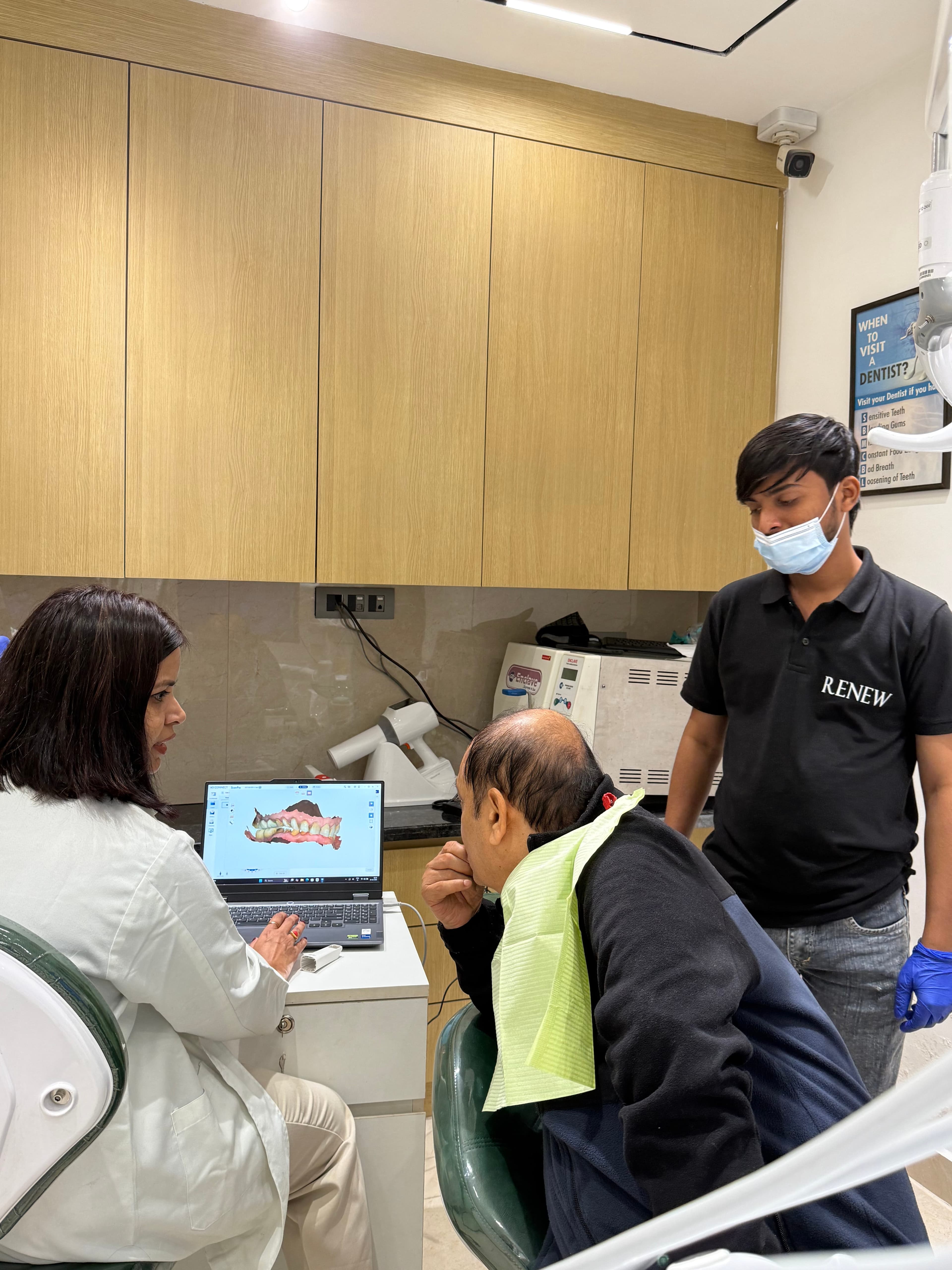
This is where your orthodontist examines your teeth, takes X-rays or digital scans of your bite and jaw, and discusses your goals. You'll leave with a recommended treatment type, an estimated treatment duration, and a clear plan.
Getting Braces Fitted
For fixed braces, brackets are bonded directly to the tooth surface using a special dental adhesive. The procedure takes about 1 to 2 hours and is not painful, though you may feel some pressure. For aligners, your first set of trays is provided along with instructions.
The Treatment Period
Most orthodontic treatments last between 12 and 36 months, depending on complexity. Mild cases with clear aligners may be complete in as little as 6 to 12 months. Complex cases with fixed braces may take 2 to 3 years.
During this time, you'll have regular appointments every 4 to 8 weeks for wire adjustments (fixed braces) or tray progression checks (aligners).
What to expect in terms of discomfort: Some soreness after each adjustment appointment is normal. It typically lasts 2 to 4 days and is managed with over-the-counter pain relief and soft foods. This is not pain — it's the pressure of teeth moving.
Retainers After Treatment
Once braces are removed or aligner treatment is complete, teeth need to be retained in their new position while the surrounding bone stabilises. A retainer is provided — either fixed (bonded to the back of teeth) or removable. This stage is non-negotiable. Without retainers, teeth tend to shift back toward their original position.
Your orthodontist at Renew Dental will advise exactly how long retainers need to be worn.
Caring for Your Teeth During Orthodontic Treatment
Oral hygiene is more demanding when you have braces, because brackets and wires create more surfaces for food and bacteria to accumulate.
With fixed braces:
- Brush after every meal using a soft toothbrush and fluoride toothpaste
- Use interdental brushes (small brushes that fit between brackets and wires) to clean around brackets
- Floss using a floss threader or orthodontic flosser daily
- Rinse with fluoride mouthwash
- Avoid hard, sticky, or chewy foods that can damage brackets
With clear aligners:
- Remove aligners before eating or drinking anything other than water
- Brush and floss before replacing aligners after meals
- Clean aligners daily using the appropriate cleaning solution
- Never leave aligners out for longer than recommended
Benefits of Completing Orthodontic Treatment
Patients who complete treatment consistently notice
- Teeth that are significantly easier to clean, which reduces long-term cavity and gum disease risk
- Improved bite function and reduced jaw tension
- Greater confidence in speaking, smiling, and eating in social situations
- A baseline oral health that is substantially better than before treatment
Many adult patients at Renew Dental who delayed braces through their twenties and thirties say that getting treatment — even later in life — was worth it in ways they hadn't expected.
Frequently Asked Questions About Braces in Noida
Is there an age limit for getting braces?
No. Adults of any age can get braces. Treatment may take slightly longer in adults than in children because bone is less malleable, but the results are the same.
Can my child get braces?
Yes. Children can typically begin orthodontic assessment from around age 7 to 8, though active treatment usually starts between 11 and 14. Early assessment allows the dentist to identify developing issues before they become more complex.
Will braces affect my speech?
There's usually a brief adjustment period of a few days to a couple of weeks, after which most patients adapt fully.
Can I play sports with braces?
Yes, with a mouthguard. Contact sports require a protective mouthguard worn over the braces to prevent injury to the lips and cheeks.
What happens if a bracket breaks?
Contact the clinic. Broken brackets don't need emergency attention, but they should be repaired at the next available appointment to avoid disrupting tooth movement.
Start Your Orthodontic Journey at Renew Dental, Noida
Whether you're a teenager, a working professional, or an adult who's been thinking about straighter teeth for years, Renew Dental Clinic in Sector 47, Noida offers the full range of orthodontic options.
Dr. Suchi Singh and the team will assess your teeth, explain your options honestly, and put together a treatment plan that fits your life.
To book an orthodontic consultation, call (0120) 498-8333.
Open Monday–Saturday, 10:30 AM – 8:00 PM | Sunday, 11:00 AM – 2:30 PM.