Acidic Foods and Drinks That Are Slowly Eroding Your Teeth
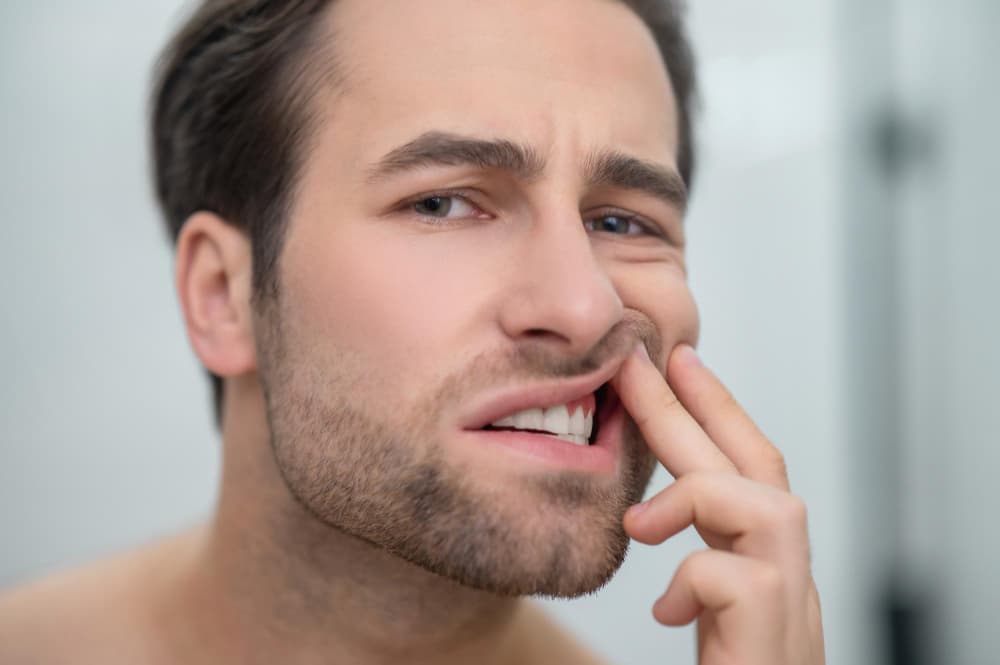
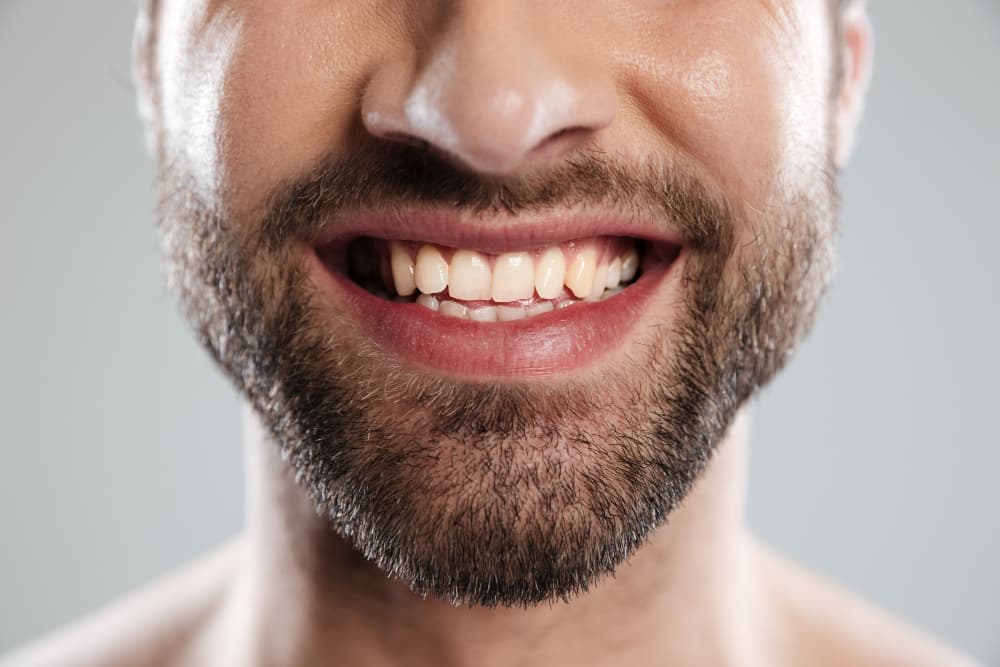
Man checking his teeth and looking disturbed.
Tooth erosion and tooth decay are not the same thing. Decay is caused by bacterial acid. Erosion is caused by acid from food and drink — no bacteria required. The distinction matters because the prevention is different, the pattern is different, and the consequences are permanent.
Most patients don't know their enamel is eroding until either a dentist tells them during a check-up or the sensitivity becomes impossible to ignore. By then, the enamel that's gone is gone. It doesn't regenerate.
How Acid Erodes Enamel
Enamel is composed almost entirely of hydroxyapatite — a crystalline calcium phosphate mineral. Acid dissolves this mineral directly by providing hydrogen ions that react with and break down the crystal structure.
The critical pH threshold is 5.5. Above it, enamel is stable. Below it, demineralisation begins. This pH is not particularly acidic by food standards — lemon juice sits around pH 2 to 3, cola around 2.5 to 3.5, and even standard chai with lemon drops well below 5.5. Orange juice, an apparently benign breakfast drink, typically sits around pH 3.5 to 4.
The damage accumulates over years of repeated exposure. Unlike bacterial acid attacks (which are localised to areas of plaque), dietary acid erosion is generalised — it affects the surfaces in direct contact with the acid regardless of plaque presence.
The other complicating factor: enamel is temporarily softened for 20 to 30 minutes after acid contact. During this window, mechanical forces — including brushing — remove softened mineral far more readily than from hardened enamel. Brushing immediately after lemon juice, cola, or anything acidic accelerates erosion significantly.
The Most Erosive Items in the Indian Diet
1. Cold Drinks and Sodas
Cola, lemon soda, orange-flavoured drinks, packaged fruit drinks — these are among the most erosive commonly consumed beverages. The erosion comes from two sources: the carbonic acid from carbonation and the phosphoric or citric acids used in flavouring. Diet versions aren't safer from an erosion standpoint — they contain the same acids with the sugar removed.
The slow-sipping pattern that's common — a cold drink over 30 to 60 minutes in a restaurant or at a desk — maximises erosion time because enamel never gets the chance to fully reharden between sips.
2. Lemon Water
This has acquired a health halo in urban India and across the NCR, where many people start the day with warm lemon water in the belief that it aids digestion. It may have those benefits. But lemon juice has a pH of approximately 2 to 3. Drinking it first thing in the morning, when saliva is at its most dilute and the mouth hasn't eaten anything to buffer it, delivers concentrated acid directly to enamel that's already somewhat depleted from overnight bacterial activity.
Patients who've done this daily for years — and there are many in Noida and Delhi NCR — show characteristic erosion patterns on the upper front teeth, particularly on the inner surfaces that the lemon water washes over most directly.
If you do drink lemon water, rinse with plain water immediately after. Wait 30 to 60 minutes before brushing. Drink through a straw to reduce tooth contact.
3. Tamarind, Raw Mango, and Imli-Based Foods
Tamarind (imli) is a fixture in Indian cooking — chutneys, tamarind rice, pani puri water, chaat. Its tartaric acid content places it firmly in the high-erosion category. Raw mango (kacchi keri) is similarly acidic.
Occasional consumption as part of a meal isn't a major concern because the other food dilutes the acid and stimulates saliva. Daily snacking on tamarind-heavy chaat multiple times a week, or eating raw mango with salt repeatedly, creates meaningful erosion exposure over time.
4. Vinegary Pickles and Condiments
Achar (pickles) contain acetic acid from vinegar. A serving alongside a meal creates brief acid exposure that saliva manages. People who eat large amounts of pickle daily, or who eat it as a between-meal snack, accumulate more meaningful exposure.
5. Citrus Fruits and Juice
Oranges, mosambi, amla, and lime. Whole fruit is considerably less damaging than juice — the fibre matrix slows contact, chewing stimulates saliva, and the eating time is shorter. Juice concentrates the acid without the protective factors.
Amla (Indian gooseberry) deserves specific mention. It's consumed in traditional practice and in health supplements for various reasons, and its vitamin C content is genuinely valuable. It also has a pH around 3.5 to 4. Amla candy, dried amla, and amla juice consumed daily create real erosion risk.
6. Sports and Energy Drinks
Increasingly common among younger adults in Noida's working population. These sit among the most erosive beverages available, combining high sugar content with significant citric acid. They're marketed to active people but consumed in conditions that maximise dental harm — slow sipping over a gym session, or throughout a work day.
7. Tea (Chai)
Plain tea has a pH around 4.5 to 6 — mildly acidic. The strong brewed tea in traditional chai, before milk is added, is more acidic. Adding milk raises the pH noticeably, which is one reason milk tea is marginally less erosive than lemon tea.
Chai consumed multiple times daily is mild erosion exposure — but it's continuous mild exposure over years, and the cumulative effect is measurable. It's also associated with significant surface staining, and the tannins in tea can contribute to the appearance of dental yellowing.
What Erosion Looks Like — Early and Late
1. Early erosion is almost invisible. The enamel loses its surface gloss in affected areas, appearing slightly flatter and less translucent. There's no pain. Dentists detect it by comparing current teeth to baseline photographs or models from previous appointments.
2. Moderate erosion produces sensitivity — particularly to cold. The dentine layer beneath the enamel is becoming exposed through increasingly thin enamel. The biting edges of front teeth become flatter and more translucent. Cusp tips on molars begin to look rounded rather than sharp.
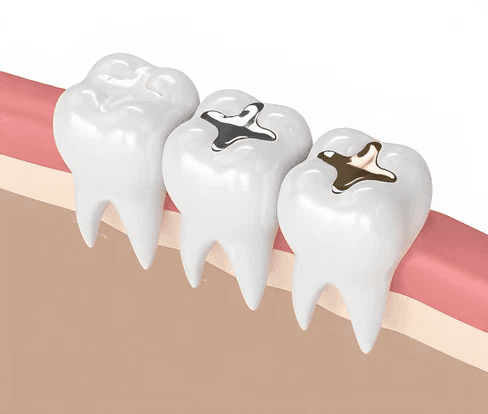
3. Advanced erosion is visually obvious. Teeth are noticeably shorter. The surface of molars may show cupping — hollows in the centre of the chewing surface. Front teeth are transparent at the edges. Sensitivity is significant. Composite bonding, veneers, or crowns may be needed to restore the lost structure.
The Practical Approach — Not Elimination, Reduction and Sequencing
This isn't a request to stop drinking lemon water or avoid tamarind. That's not realistic advice for most people, and for many of these foods the nutritional benefits are real.
The practical goal is changing when and how you consume them.
Consume acidic items with meals, not as standalone snacks. Food dilutes acid and stimulates protective saliva. A glass of lemon water with lunch is less damaging than lemon water on an empty stomach first thing in the morning.
Rinse with plain water after acidic food or drink. Immediately. Water dilutes and washes away the acid before it can act longer than necessary on enamel.
Never brush immediately after acidic exposure. The 30-minute wait is important. If you brush before an acidic breakfast, the fluoride from toothpaste has had time to form some protection before the acid arrives.
Drink acidic drinks through a straw, positioned toward the back of the mouth. This reduces direct tooth contact with the liquid significantly.
Chew sugar-free gum after acidic meals. Stimulates saliva, which buffers acid and initiates remineralisation.
Don't sip slowly. Drink acidic beverages in shorter time periods rather than prolonged sipping. Fewer acid attacks, each followed by recovery, is better than a sustained single attack over 30 minutes.
Use a fluoride toothpaste. Fluoride makes the enamel that remains more resistant to subsequent acid attacks by forming fluorapatite, which has a lower critical pH than hydroxyapatite.
When to Have Erosion Assessed Professionally
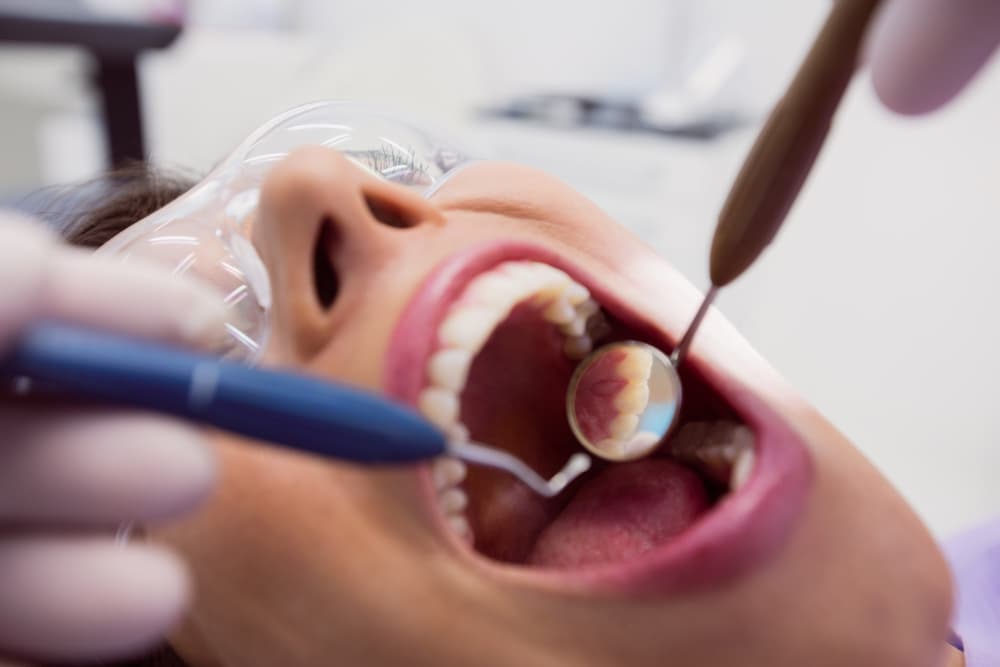
At Renew Dental Clinic, Sector 47, Noida, enamel erosion assessment is part of every routine check-up. Dr. Suchi Singh uses clinical examination and comparison with previous records to detect progression before symptoms appear.
If sensitivity is increasing, teeth are visibly changing in shape or translucency, or you consume acidic food or drink daily and haven't had a dental check-up recently — book an assessment.
To book, call (0120) 498-8333.
Monday–Saturday 10:30 AM – 8:00 PM | Sunday 11:00 AM – 2:30 PM.