By Renew Dental HospitalPublished on
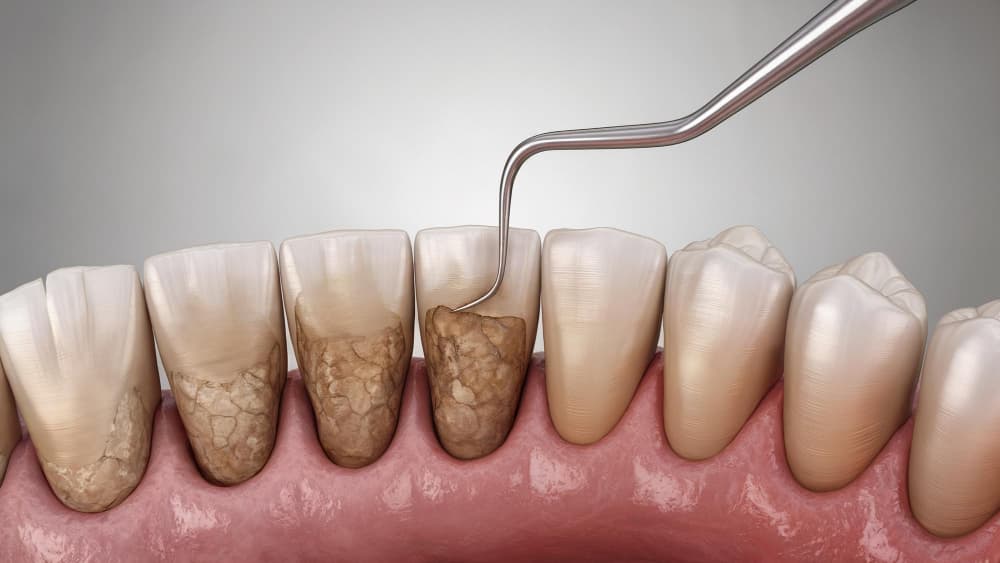
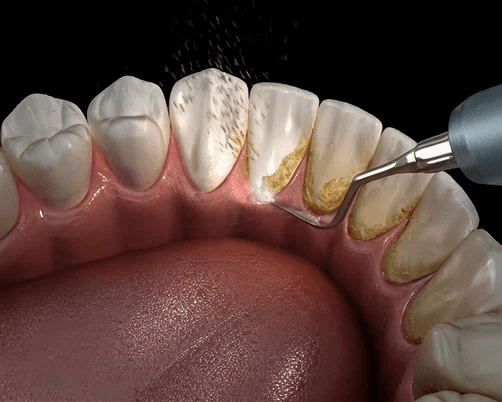
Dental cleaning and scaling
Crooked teeth are one of the most common dental concerns adults bring to a consultation — and one of the most commonly under-explored in terms of what can actually be done. Many adults have assumed since their teens that braces were a window they missed. That's largely not true anymore.
The range of treatments available in 2025 is broader than it's ever been. And the right choice from that range depends entirely on what specifically is crooked, why, and what outcome the patient actually wants.
Crooked teeth covers a broad territory. It's worth being specific because different types of misalignment respond to different treatments.
Crowding — teeth overlapping or twisting because there isn't enough space in the arch. The most common presentation. Ranges from mild (one slightly rotated incisor) to severe (all front teeth overlapping significantly, with teeth pushed into abnormal positions).
Spacing — gaps between teeth, either from natural spacing or missing teeth that allowed neighbouring teeth to drift.
Protrusion — teeth pushing forward, often the upper front teeth in a way that creates an overjet (horizontal distance between upper and lower teeth).
Rotation — individual teeth rotated around their long axis, common with premolars and incisors.
Vertical discrepancy — teeth at different heights in the arch, some over-erupted, some not erupted fully.
Bite issues — how the upper and lower teeth meet: deep bite, open bite, crossbite. These affect function as well as appearance.
Each of these may be present alone or in combination, and the appropriate treatment depends on which type is involved and the severity.
The most established and still the most capable orthodontic treatment for complex cases. Metal brackets bonded to each tooth surface are connected by a flexible archwire. The wire exerts graduated force that moves teeth through the bone over time.
For whom: anyone with significant crowding, bite issues, or alignment problems too complex for aligners. Teenagers and adults. Particularly effective for cases involving significant vertical movement (changing how high a tooth sits in the arch) or bite correction alongside alignment.
Timeline: 12–24 months for most cases. Some complex cases longer.
The honest limitation: visible. Metal brackets are noticeable. For adults in professional environments this is often the primary hesitation. Ceramic braces use tooth-coloured brackets with the same mechanism — less visible but slightly more expensive.
Oral hygiene during treatment requires more effort. Brackets trap food and plaque; interdental brushes and water flossers become necessary parts of the daily routine rather than optional additions.
Clear aligners — of which Invisalign is the most recognised brand, though multiple systems are now available — use a series of custom-fabricated transparent trays, each worn for approximately two weeks, to progressively move teeth toward the planned position.
For whom: mild to moderate crowding, spacing, rotation, and some bite correction. Adults and older teenagers who want a less visible option and can commit to wearing the trays 20–22 hours daily.
Timeline: 6–18 months for most cases. Shorter for mild cases; longer for more complex ones.
The critical variable: compliance. Aligners only work if they're worn. Patients who remove them for eating (which is required) and social situations, then forget to put them back, extend their treatment significantly or compromise the outcome. This is unlike braces, which are always working because they're fixed in place.
What clear aligners handle particularly well: mild crowding in adults, spacing issues including diastema closure, some bite discrepancies. What they handle less well than braces: significant vertical tooth movement, certain bite corrections, very severe crowding.
At Renew Dental Clinic in Sector 47, Noida, Dr. Suchi Singh assesses whether a patient's case is within the suitable range for aligner treatment before recommending it. Not every case that looks manageable is well-suited to aligners, and recommending aligners for a case that genuinely needs braces doesn't serve the patient.
For very mild crowding or rotation — where one tooth is slightly out of position, or an incisal edge is slightly irregular — composite bonding can sometimes achieve an acceptable aesthetic result without orthodontics. By adding composite to one side of a slightly rotated tooth and removing a tiny amount from another (or simply filling in the adjacent space), the visual impression of the tooth's position can be improved.
This is camouflage, not treatment. The tooth is in the same position. But for very mild cases where the patient's goal is aesthetic improvement rather than perfect alignment, and where orthodontics would be disproportionate to the problem, this is a legitimate option.
The limitation: bonding doesn't correct bite, doesn't address moderate or severe crowding, and doesn't solve the functional issues that come with misalignment.
Veneers can reshape and reposition the apparent position of teeth significantly. A tooth that's slightly rotated or angled can be made to appear straight by placing a veneer that covers the existing position and creates a new apparent front surface in the correct orientation.
This is also camouflage — effective for moderate aesthetic concerns on specific teeth, particularly when those teeth also have other cosmetic issues (colour, shape) that veneers address simultaneously.
The same consideration applies: veneers are covers, not orthodontic movement. Bite issues aren't corrected. Very significant misalignment can't be adequately covered. And preparing teeth for veneers requires enamel removal.
For patients who have mild crowding plus other cosmetic concerns (staining, chipping, shape irregularity) concentrated on the same teeth, veneers offer the most comprehensive cosmetic result with a single procedure.
Removable retainers with minor tooth movement built in (sometimes called Hawley retainers or spring retainers) can correct very minor tooth displacement — a single slightly rotated tooth, a small relapse after previous orthodontic treatment. The amount of movement possible is limited, but for minor concerns this is a simple, inexpensive approach.
The assessment starts with understanding what the patient actually wants. Some patients want perfect alignment; some want an aesthetic improvement while avoiding braces; some have a specific tooth that bothers them rather than their entire smile.
The clinical examination assesses crowding severity, bite relationship, root positions (using X-rays), and whether any teeth have health issues that should be addressed first. The OPG panoramic X-ray reveals root lengths and angles — important for planning how teeth can be moved safely.
Treatment recommendations from Renew Dental are specific: this is what orthodontics would achieve, this is what veneers would achieve, this is what bonding is appropriate for, this is the trade-off between them for your specific situation. Not a single recommendation pushed regardless of patient preference, but a genuine explanation of the options and their realistic outcomes.
Q: Is it too late to get braces as an adult in Noida? A: No. Age doesn't disqualify anyone from orthodontic treatment. Teeth move through bone in adults just as they do in teenagers, albeit somewhat more slowly. The main adult-specific considerations are that any gum disease or bone loss needs to be managed first, and the trade-off between braces visibility and treatment duration is more often a factor in adult decision-making than in teenagers'.
Q: I only have one noticeably crooked tooth — do I need full braces for that? A: Probably not. A single mildly crowded or rotated tooth can often be addressed with a limited course of aligner treatment, bonding camouflage, or in some cases a single-tooth appliance. The appropriate answer depends on which tooth and why it's in its current position.
Q: How do I maintain results after orthodontic treatment? A: Retainer use. After active orthodontic treatment (braces or aligners), a retainer holds the teeth in their new position while the bone remodels around the moved roots. This takes 6–12 months of consistent retainer use. After that, nighttime retainer use indefinitely maintains the result. Stopping retainer use allows teeth to drift back toward their original positions.
Q: Do crooked teeth affect health, or is this purely cosmetic? A: Both. Significantly crowded teeth are harder to clean — some surfaces are simply inaccessible to brushing and flossing. This increases cavity and gum disease risk in the overlapping areas. Bite issues can cause jaw joint stress and uneven tooth wear. So there are functional arguments for treatment alongside the aesthetic ones.
For crooked teeth assessment and treatment planning at Renew Dental Clinic, Sector 47, Noida:
📞 +91 99710 35300 A-321, Basement Floor, Next to Mother Dairy Store, Sector 47, Noida, Uttar Pradesh 201303 Monday–Saturday 10:30 AM – 8:00 PM | Sunday 11:00 AM – 2:30 PM
 Copy
Veneers and composite bonding both improve a smile but work differently. This honest guide helps patients in Noida choose the right option for their teeth.
28 Oct 2026
by Renew Dental Clinic

Toothache while pregnant? Learn what dental treatment is safe, which pain medicines to take or avoid, and whether seeing a dentist could affect your baby.
23 Oct 2026
by Renew Dental Clinic
Recommended a crown instead of a filling? Learn how your dentist decides, the structural threshold...
22 Oct 2026
by Renew Dental Clinic
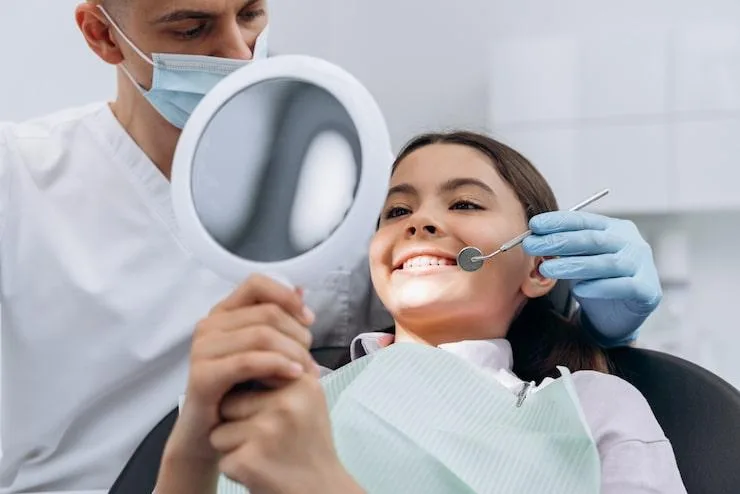
Looking for the best dental clinic in Noida Sector 47? Discover what makes Renew Dental...
14 May 2026
by Renew Dental Clinic
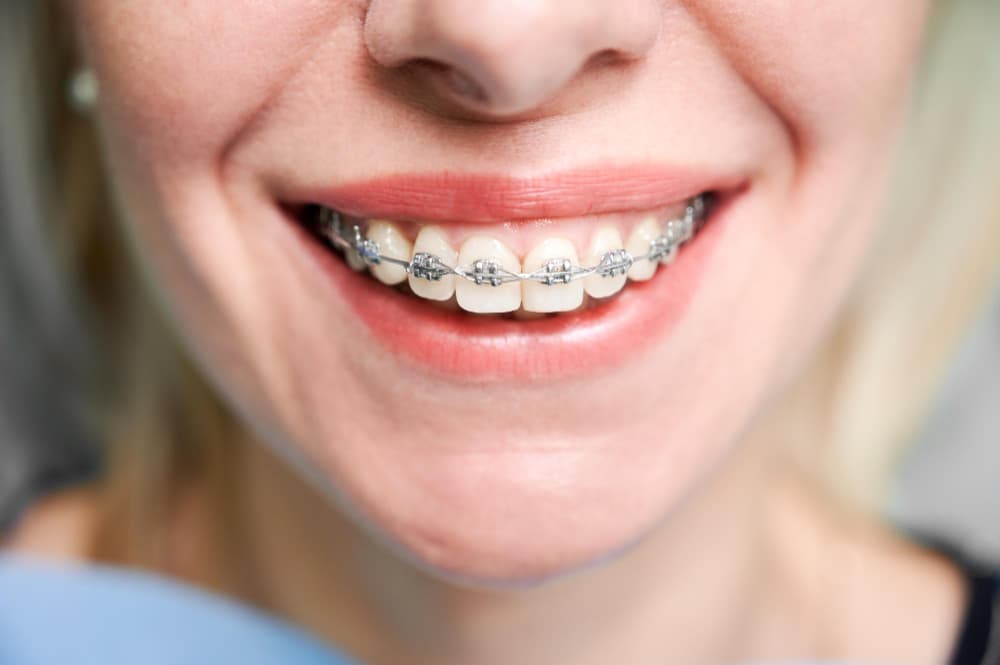
Most Noida parents wait until their teenager asks for braces. Learn when to book an orthodontic assessment, which options suit teens, and what to expect.
09 Oct 2026
by Renew Dental Clinic
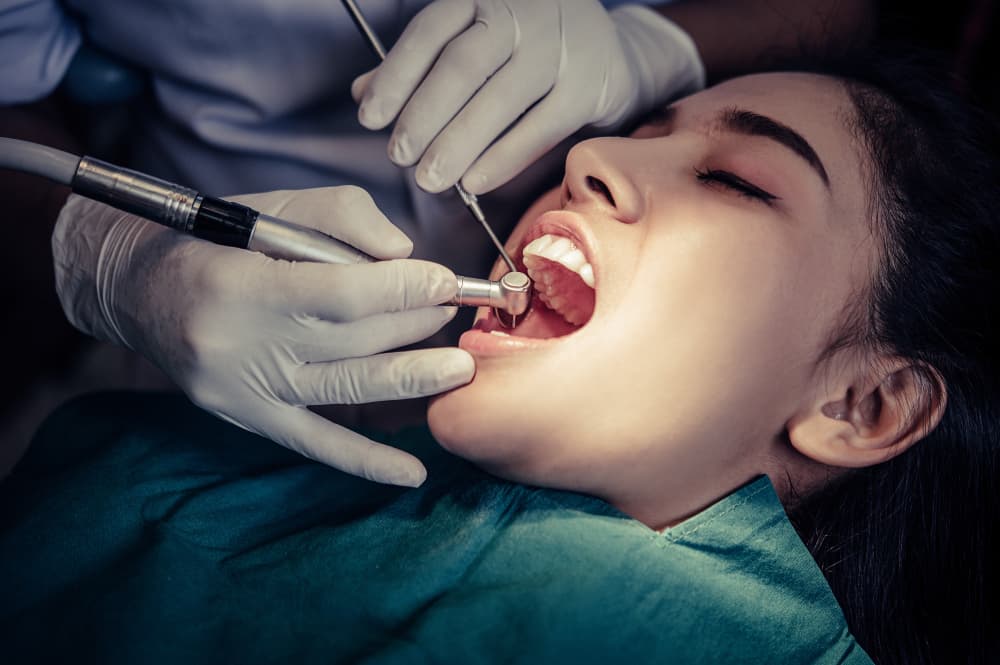
Post-whitening sensitivity is the most common complaint after teeth whitening. This guide explains why it...
21 Aug 2026
by Renew Dental Clinic

If you’ve ever had a damaged, cracked, or root canal-treated tooth, your dentist probably suggested...
21 Oct 2025
by Renew Dental Clinic
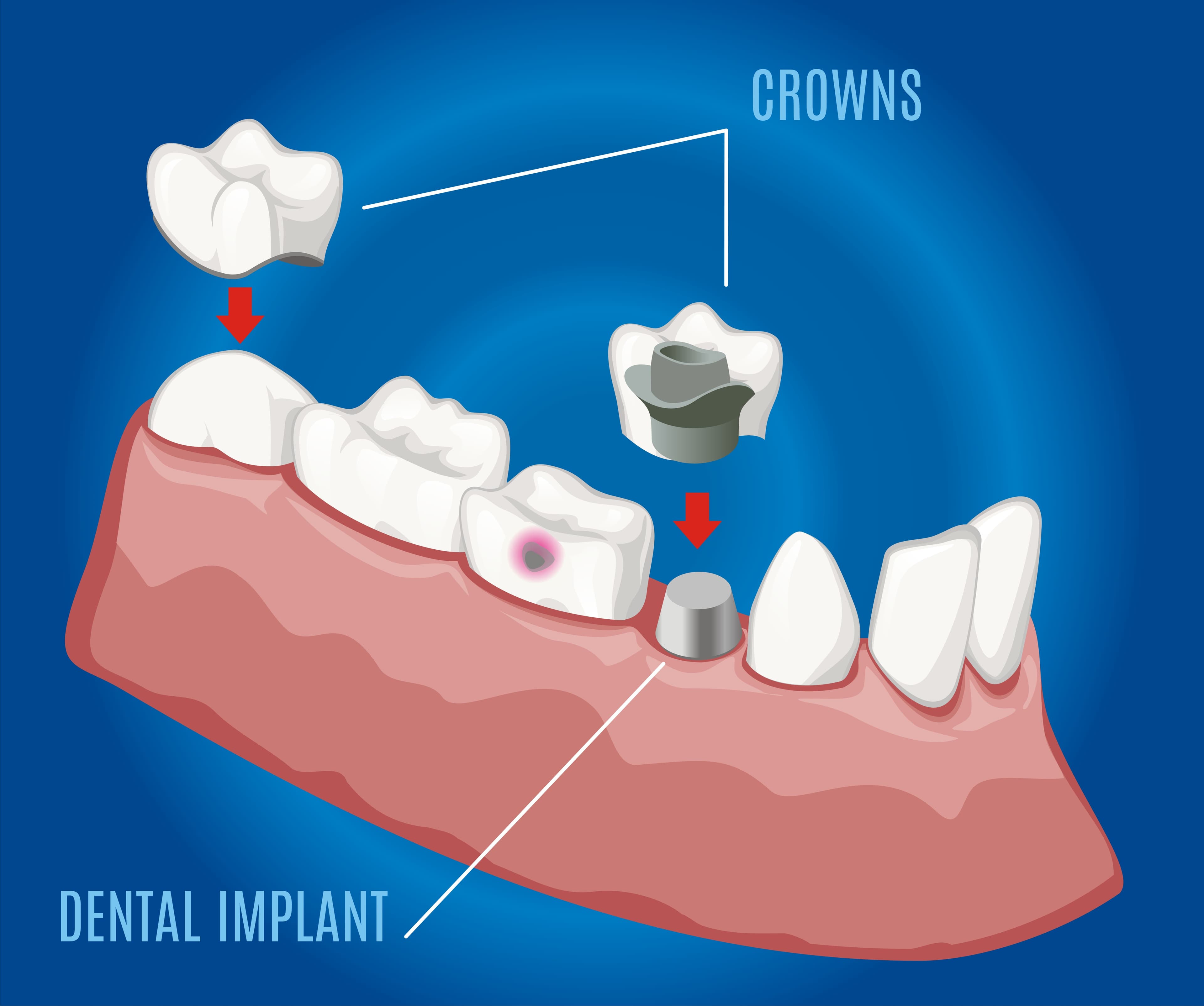
Need a dental crown in Noida? This complete patient guide explains every type of dental...
18 Jun 2026
by Renew Dental Clinic
Dental crowns are a long-term investment, not a permanent one. Learn lifespans by material, signs...
16 Oct 2026
by Renew Dental Clinic
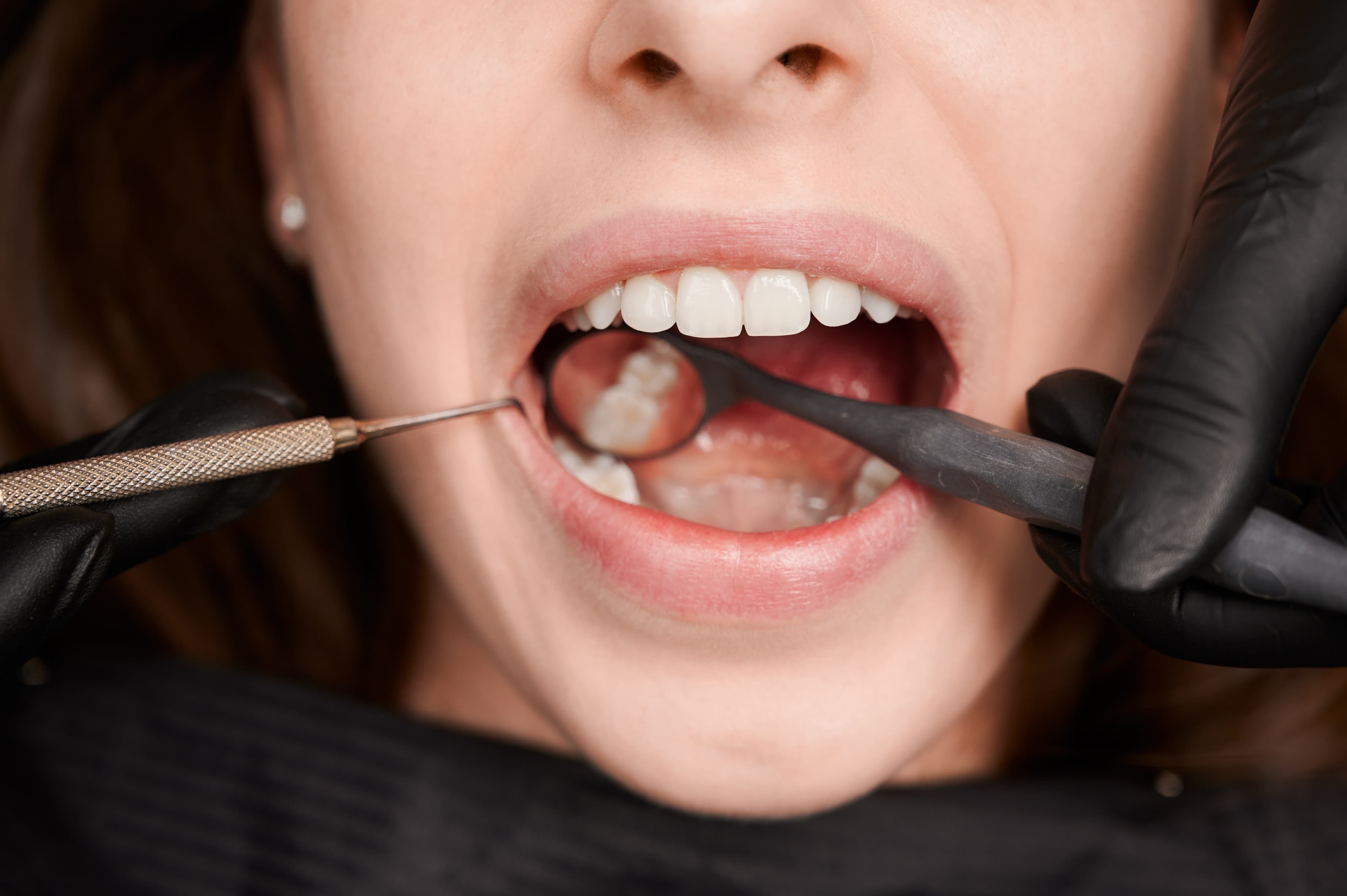
Teeth reshaping removes small amounts of enamel to refine tooth shape, with no injections and...
13 Oct 2026
by Renew Dental Clinic

Discover what you can do when you chip a tooth and what fix options like...
21 Oct 2025
by Renew Dental Clinic
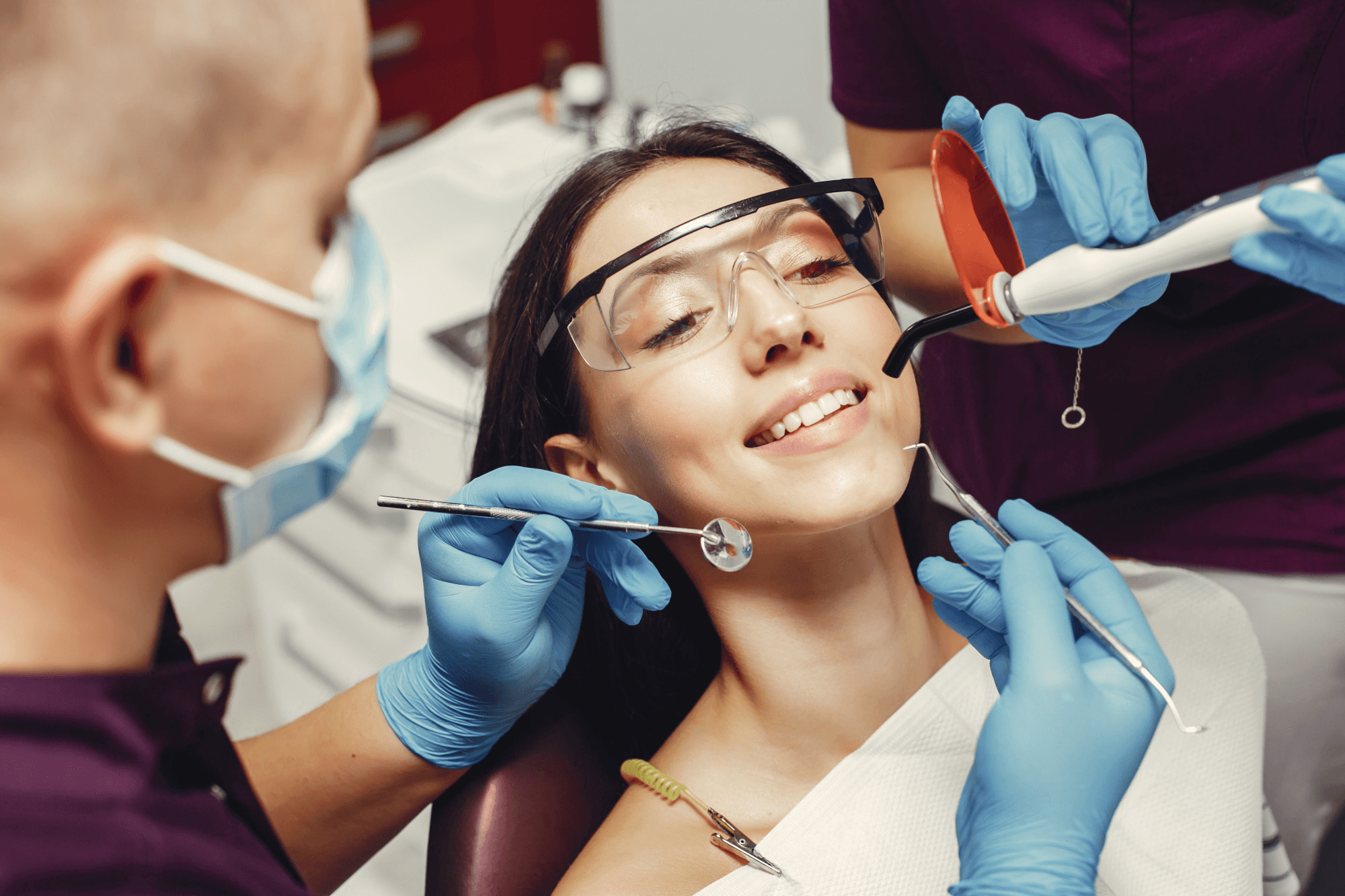
Learn about cosmetic dentistry, popular smile transformation procedures, benefits, and how treatments can improve your dental appearance and confidence.
11 May 2026
by Renew Dental Clinic
Explore More
Discover how thousands of patients trust Renew Dental Clinic with their smiles.
Best dental clinic in Noida
We feel homely at clinic
I got my RCT and crown treatment done at Renew Dental Clinic, along with gum cleaning and a few fillings also, MAJORLY MY SMILE DESIGNING of my front two teeth. I’m really happy with my overall experience. Dr. Chandrava, Dr. Suchi, and the entire team were very caring, supportive, and professional throughout my treatment. They made me feel comfortable and took great care of me. I’m very satisfied with the treatment and would definitely recommend Renew Dental Clinic to others. 😊
Best treatment in Noida
Very Good doctor with correct advice. Nice clinic.
Dr Suchi is flawless, I took my grandmother for her dental checkup and she helped us with the right treatment plan. Highly recommended.
I have visited the clinic, the doctor is very good. My wife went their for checkup & the result is good.
Best doc in Noida
I had a very good experience at Renew Dental Clinic during my implant and RCT treatment. The doctors and staff were extremely kind, supportive, and professional throughout the entire process. What I appreciated the most was their care and attention towards patient comfort — the treatment was smooth and almost painless.
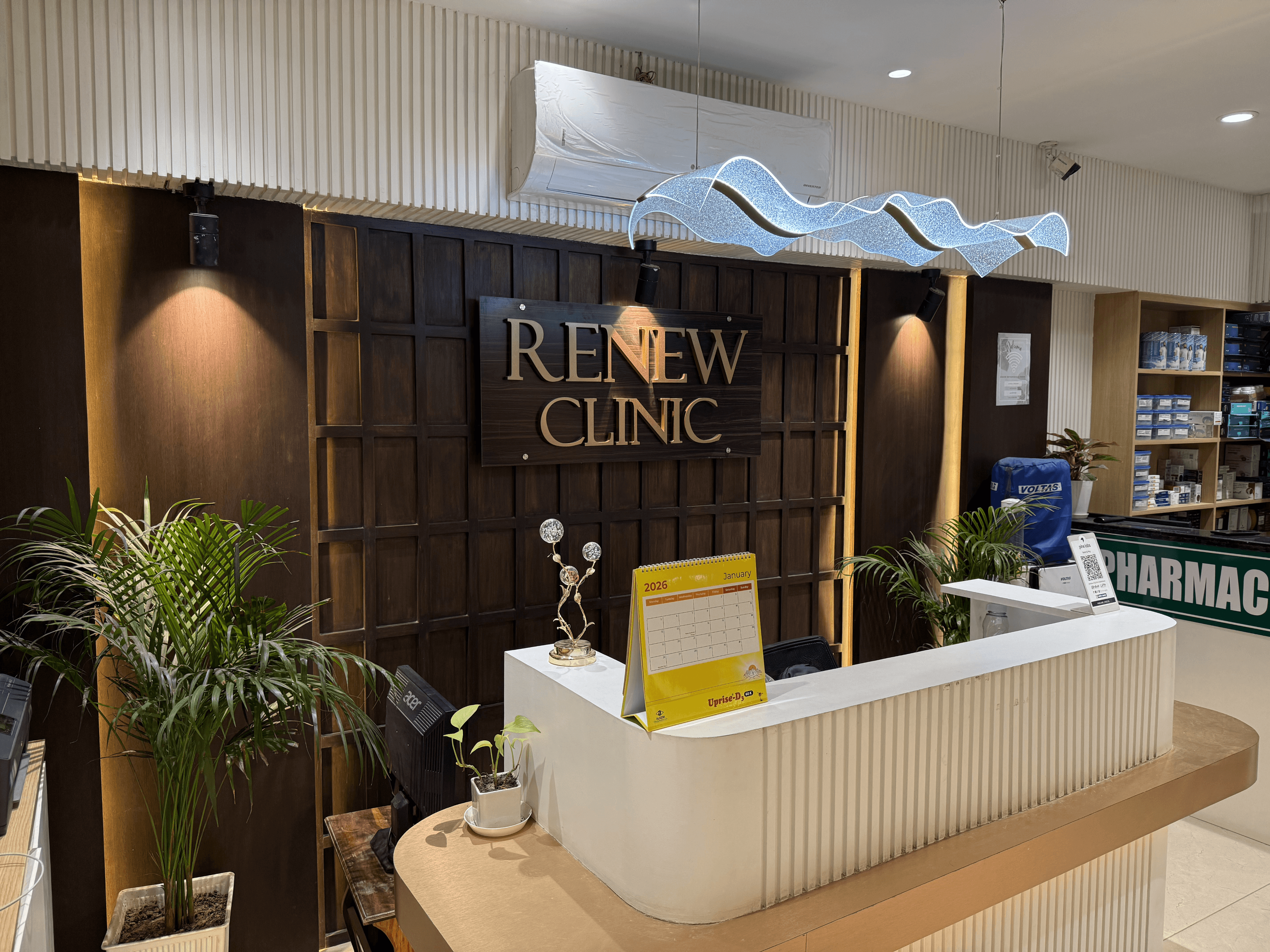
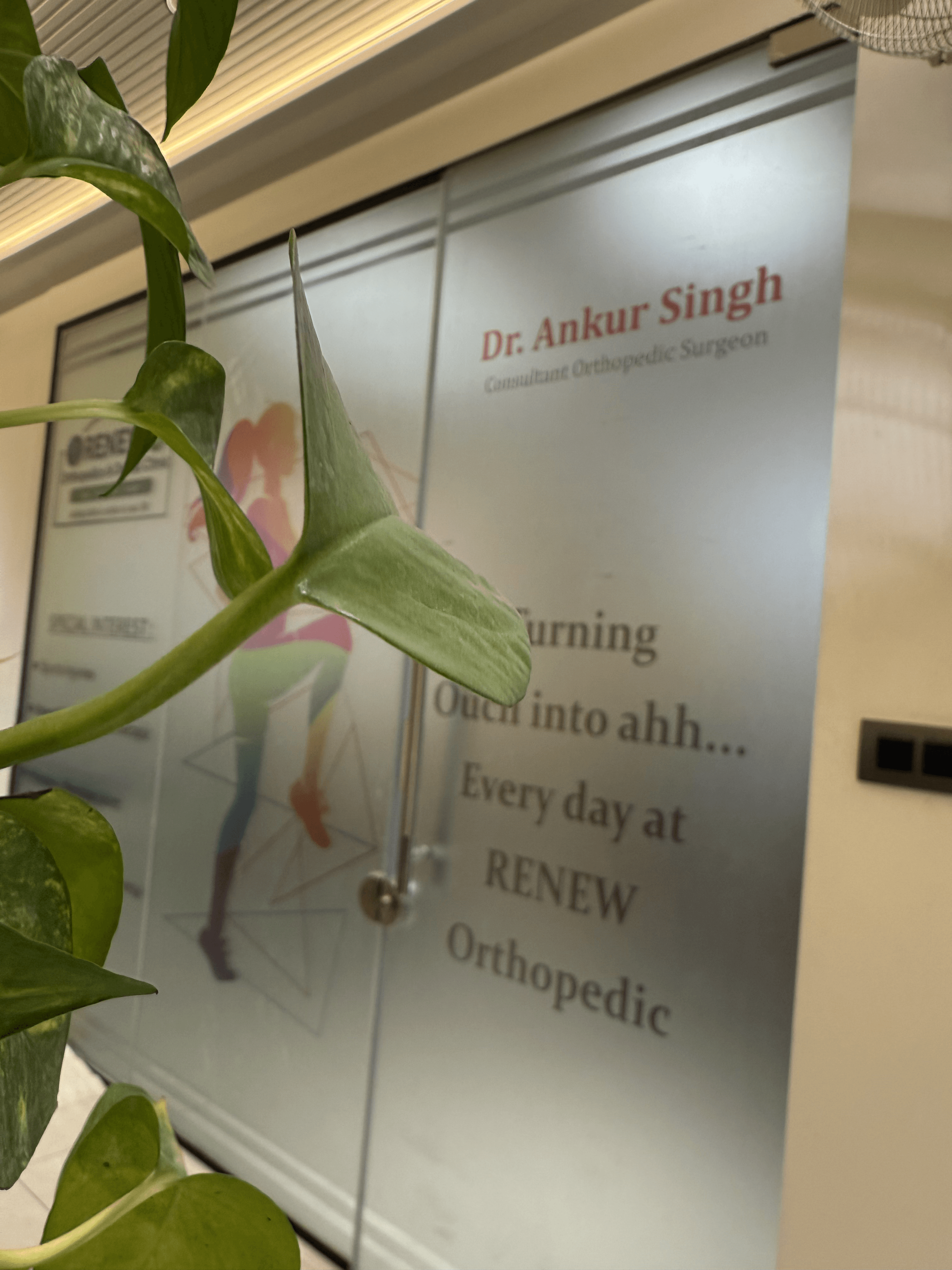
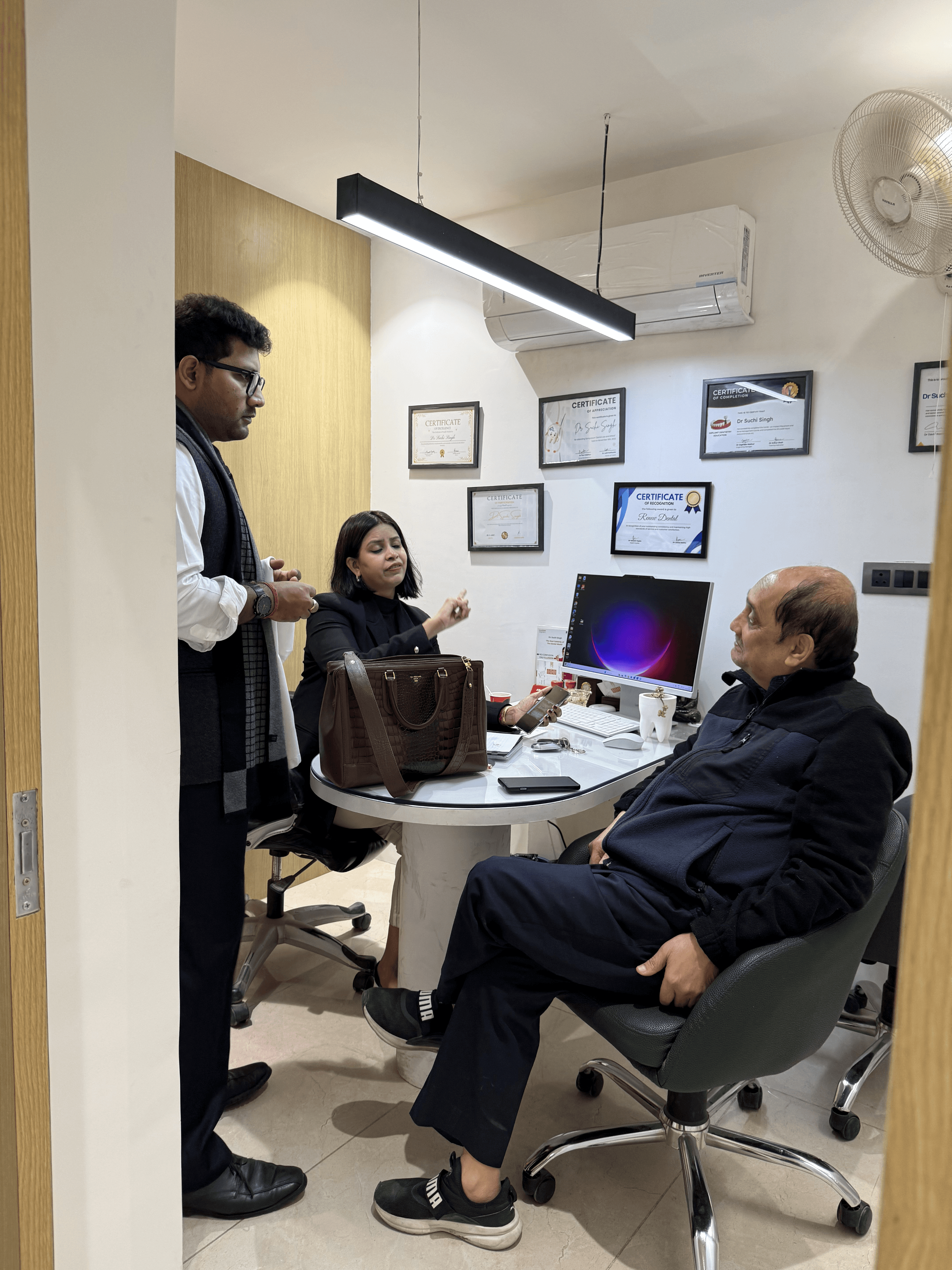
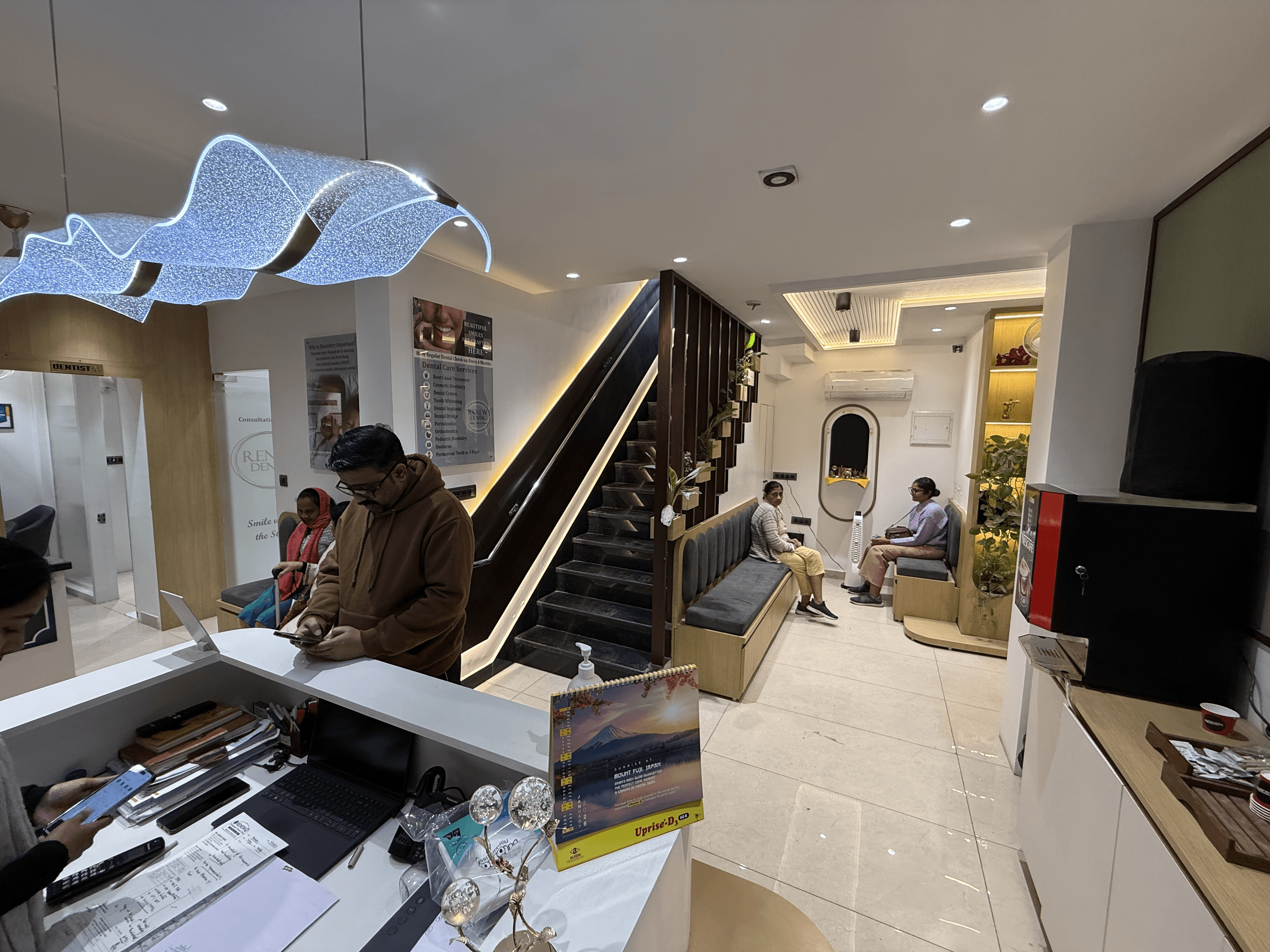
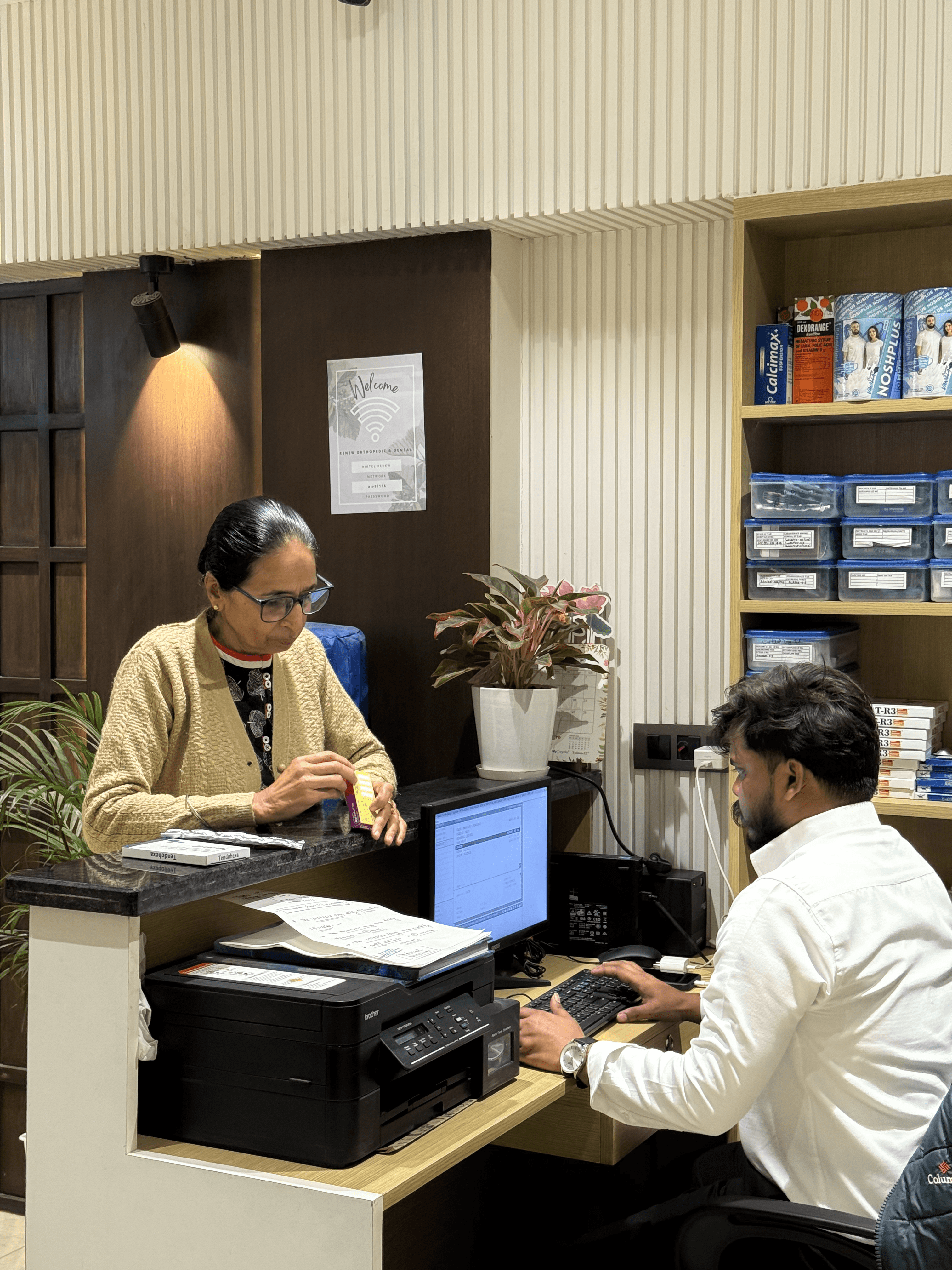
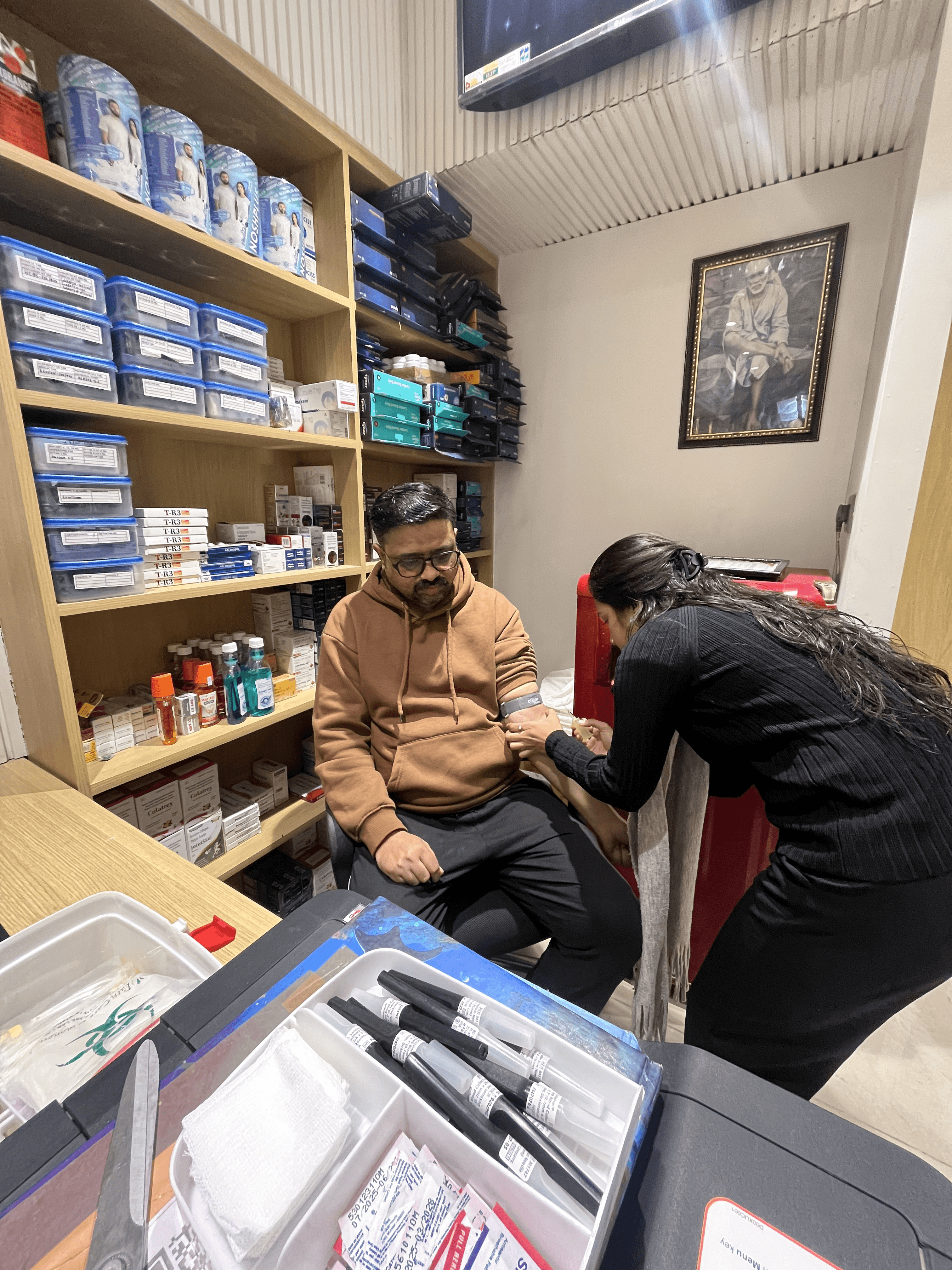
A glimpse into our modern dental clinic, advanced technology, and patient-friendly environment at Renew Dental.
Explore our thoughtfully designed clinic spaces built to provide comfort, cleanliness, and a calming experience for patients of all ages.
Best Dentist in Noida
Renew Dental Clinic located in Noida, Sector 47, is one of the leading dental clinics. Founded by Dr. Suchi Singh who is widely regarded as one of the best dentists in Noida, the clinic is committed to delivering personalised and high-quality dental care. Dr. Suchi Singh focuses on customised treatment plans designed around each patient’s unique needs, ensuring advanced, comfortable and reliable dental care at Renew Dental Clinic.

Your Trusted Dental Experts

Complete Dental Care

Friendly Dental Space

No Hidden Charges
Two trusted dental clinics in Noida — Renew Dental (Sector 47) and Tooth & Truth (Sector 34) — for gentle, modern care.

Renew Orthopedic Clinic, A-321, Basement Floor, Next to Mother Dairy Store, Sector 47, Noida, Uttar Pradesh 201303
 +91 99710 35300
A-98/A, Block A, Sector 34, Noida, Uttar Pradesh 201307
+91 99710 45002© 2026. All rights reserved | Designed and Developed by Zarle Infotech