By Renew Dental HospitalPublished on
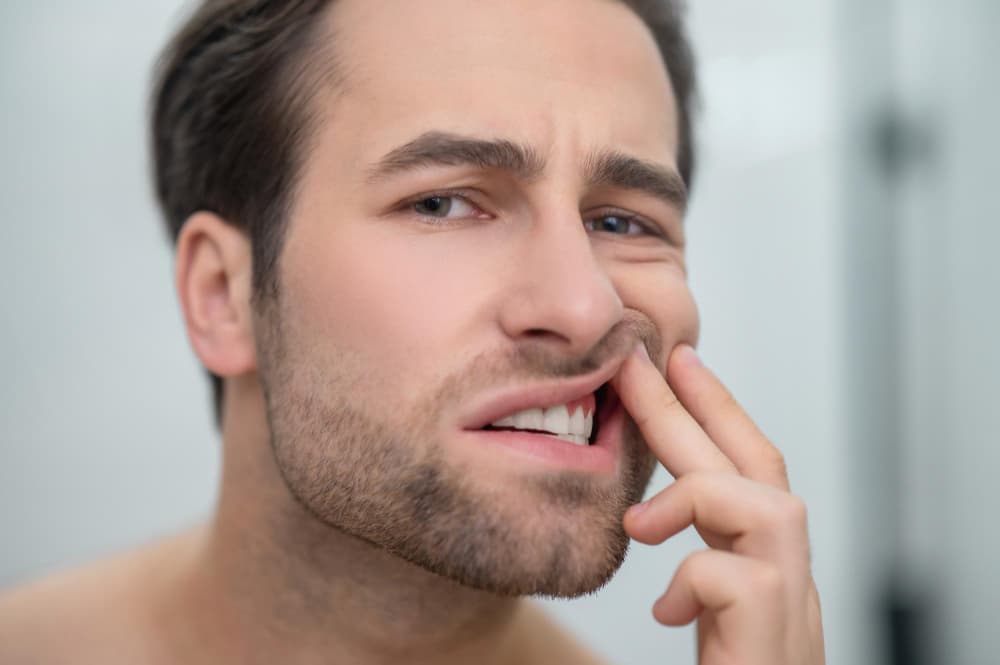
Cracked tooth pain usually strikes as a bite is released, not while chewing.
Cracked tooth syndrome sits in an unusual position in dentistry. It's one of the conditions most frequently described as difficult to diagnose — by both patients and dentists — because the crack is often invisible to the eye and standard X-rays frequently miss it entirely. Yet the pain it produces is specific, recognisable, and quite different from other types of dental pain once you know what to look for.
Understanding the specific symptom pattern of cracked tooth syndrome is genuinely useful. It explains why some patients spend months chasing a diagnosis through multiple appointments before someone identifies the crack.
The classic presentation of a cracked tooth is pain specifically on biting — and specifically on the release of biting pressure, rather than during the bite itself. Patients describe it as a sharp, electric-like jolt that occurs as they release a bite. Not during chewing; on letting go.
This happens because of the crack's mechanics. When force is applied to the cracked tooth, the two sides of the crack flex inward slightly toward each other under load. When the force is released, the crack springs back open. This spring-back motion creates a sudden hydraulic change in the dentinal tubule fluid that stimulates the nerve sharply.
The pain is typically sharp, brief, and then resolves. The same tooth may not produce pain on the next bite. Or it might, in a slightly different position. The inconsistency is part of the syndrome — patients often can't reliably recreate the pain, which makes it difficult to identify which tooth is affected.
Other characteristics:
Difficulty pinpointing which tooth is causing the problem. The pain often radiates — patients point vaguely at a quadrant rather than a specific tooth.
Sensitivity to cold. As the crack deepens and exposes more dentinal tubules, cold stimuli may produce significant, sometimes prolonged sensitivity.
Sporadic, unpredictable pattern. Sometimes eating the same food on the same day produces pain; sometimes it doesn't. This unpredictability is both characteristic of the syndrome and part of what makes it frustrating.
The pain is rarely spontaneous at rest in the early stages of cracked tooth syndrome. Spontaneous throbbing pain at rest indicates the crack has progressed to pulpal involvement — the nerve is now significantly affected.
Large restorations. A tooth with a large filling has less remaining natural tooth structure around it. The walls of enamel and dentine that remain are thinner and more susceptible to fracture under normal chewing forces. Large amalgam fillings (the silver-coloured variety that's been placed for decades in many older patients) are particularly associated with vertical crown fractures because the metal expands and contracts with temperature differently than the surrounding tooth, creating stress at the margins over years.
Bruxism (teeth grinding). Grinding applies repetitive lateral forces to the teeth that the tooth's structure isn't designed to sustain. Over years of grinding, small cracks develop in the enamel — first visible as craze lines (fine surface cracks in the enamel that are cosmetically noticeable but not structurally significant), then potentially progressing to deeper fractures if grinding continues. Patients with significant bruxism who don't use a night guard have higher rates of cracked tooth syndrome than those who do.
Biting hard objects. A single high-impact bite on a stone in dal, an unshelled nut, a bone fragment, or ice can crack a tooth immediately. The first bite is the traumatic event; subsequent biting on the same tooth in a normal diet extends the crack over time.
Thermal cycling. Repeated exposure to extreme temperature changes — very hot followed immediately by very cold — creates different rates of expansion and contraction in tooth structure. The thermal stress from this cycling over years contributes to cracking.
Natural ageing. Enamel becomes more brittle with age, somewhat paradoxically (it's also denser and harder, but less flexible). Older teeth are more prone to cracking than younger ones under the same forces.
Cracks that haven't reached the visible surface, or that run along a direction that's parallel to the X-ray beam, are invisible on standard periapical X-rays. This is why cracked tooth syndrome is frequently missed or misdiagnosed.
At Renew Dental Clinic in Sector 47, Noida, the diagnostic approach to suspected cracked tooth syndrome involves several tools:
Bite test: asking the patient to bite down on a specific bite stick or cotton roll on individual teeth, then on specific cusps of individual teeth, to try to reproduce the pain and identify its source.
Transillumination: directing a bright fibre-optic light through the tooth. Cracks scatter light and appear as distinct lines when the tooth is transilluminated, making them visible that are impossible to see on X-ray or standard visual examination.
Wedging test: specific instruments used to apply controlled separating or compressive force on individual cusps.
Staining: dye applied to the tooth surface that is absorbed by crack margins and reveals them visually.
The combination of clinical history (the characteristic biting pain pattern) and these diagnostic tests usually identifies the cracked tooth and the approximate extent of the crack.
Not all cracks are equal. Dental fractures exist on a spectrum.
Craze lines — fine surface cracks in the enamel that don't extend deep enough to affect function or sensation. Extremely common in adults. No treatment needed; just monitoring.
Cusp fracture — a crack around a cusp that allows a piece of the cusp to fracture off. Often produces a sudden end to the pain when the cracked piece separates — the crack is no longer flexing because the unstable part has broken free. Treatment depends on the extent.
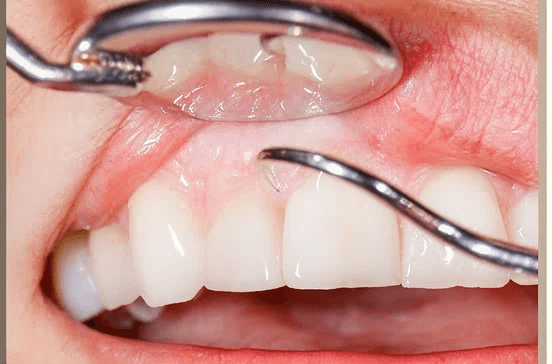
Cracked tooth — a crack through the crown extending toward the root but not through it. The tooth is split incompletely. This is the classic cracked tooth syndrome presentation. Treatment is aimed at binding the crack and preventing further propagation.
Split tooth — the crack has propagated through the entire tooth, separating it into two pieces. Often the end-stage of an untreated cracked tooth. Prognosis is poor; extraction is frequently required.
Vertical root fracture — a crack originating in the root, not the crown. Often asymptomatic for long periods, produces a specific pattern of bone loss visible on X-ray, and almost always requires extraction. This is different from cracked tooth syndrome.
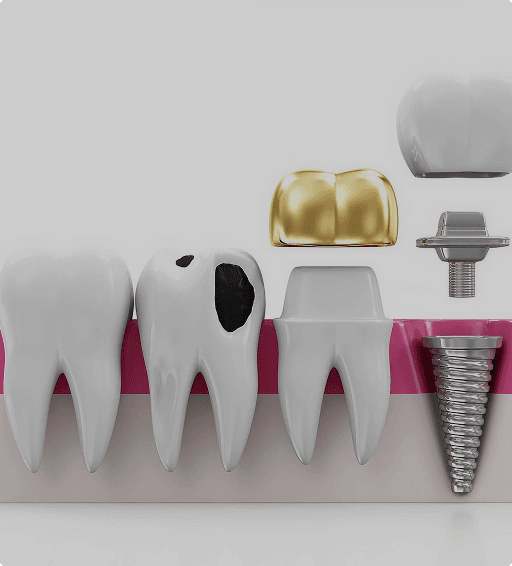
Crown placement is the primary treatment for a cracked tooth that's causing symptoms and is still restorable. The crown encircles the tooth and holds the crack together under biting force — it prevents the two sides of the crack from flexing apart and closing, which eliminates the hydraulic stimulation mechanism causing the pain. For cracks identified before significant pulpal involvement, crown placement alone often resolves the symptoms completely.
Root canal treatment followed by crown is required when the crack has progressed to pulpal involvement — when the nerve has been affected by bacterial ingress through the crack or by irreversible pulpitis from repeated trauma. The root canal removes the nerve; the crown protects the treated tooth.
Extraction for cracks that have propagated through the root or split the tooth completely, where no restorable structure remains.
The prognosis depends on how far the crack has extended. Cracks identified early — in the "cracked tooth" stage before split tooth — have good outcomes with appropriate treatment. Cracks identified late have significantly worse prognoses.
Q: I've been told I have a cracked tooth but no one can find it — is this possible? A: Yes, and frustratingly common. Cracks parallel to the X-ray beam are essentially invisible radiographically. The symptom history combined with transillumination and bite testing is often more informative than X-rays alone for cracked tooth syndrome specifically.
Q: My cracked tooth doesn't hurt all the time — does it still need treatment? A: Yes. Cracked tooth syndrome pain being intermittent is characteristic of the condition, not evidence that it's minor. The crack continues to propagate with each biting episode regardless of whether pain is produced. Early intervention gives the tooth a better long-term prognosis.
Q: Can I prevent teeth from cracking? A: Partially. Wearing a night guard if you grind, avoiding biting very hard objects, replacing very large old amalgam fillings with crowns before they fracture the surrounding tooth, and attending regular check-ups where early fracture patterns can be identified — all of these reduce the risk.
Q: I had a crown placed for a cracked tooth and I still have some sensitivity — is that normal? A: Some residual sensitivity for 2–4 weeks after crown placement is common. If the sensitivity is progressively worsening or has become spontaneous pain at rest, the nerve may have been more involved than initially apparent and root canal treatment may be needed. Contact Renew Dental.
For cracked tooth assessment at Renew Dental Clinic, Sector 47, Noida:
📞 +91 99710 35300 A-321, Basement Floor, Next to Mother Dairy Store, Sector 47, Noida, Uttar Pradesh 201303 Monday–Saturday 10:30 AM – 8:00 PM | Sunday 11:00 AM – 2:30 PM
 Copy
Copy
Not all pain after wisdom tooth surgery in Noida is normal. Learn which signs mean...
14 Oct 2026
by Renew Dental Clinic
Teeth reshaping removes small amounts of enamel to refine tooth shape, with no injections and...
13 Oct 2026
by Renew Dental Clinic

A dental abscess will not resolve on its own. Learn what home care can and...
12 Oct 2026
by Renew Dental Clinic
Dental health changes significantly after 60. Dry mouth from medications, root caries, denture care, and...
09 Sept 2026
by Renew Dental Clinic

Getting your wisdom teeth removed seems to sound scary, but with proper preparation and post-treatment care, it can be a trouble-free and tensionless process.
21 Oct 2025
by Renew Dental Clinic

Reveal the truth surrounding fluoride treatment, its benefits to dentistry, and popular myths that prevail...
22 Sept 2025
by Renew Dental Clinic
Oil pulling has a loyal following and bold claims. This guide from Renew Dental Clinic...
30 Jun 2026
by Renew Dental Clinic

Bad breath, also known as halitosis, is a very common condition that affects people of...
06 Nov 2025
by Renew Dental Clinic
Gums bleeding when you brush? This guide covers why it happens, what you can do...
08 Jul 2026
by Renew Dental Clinic
Confused between teeth whitening options in Noida? This guide compares professional laser whitening, in-office bleaching,...
01 Jun 2026
by Renew Dental Clinic
Noticing your teeth turning yellow despite brushing regularly? This guide explains every cause of tooth...
12 Jun 2026
by Renew Dental Clinic
Post-whitening sensitivity is the most common complaint after teeth whitening. This guide explains why it...
21 Aug 2026
by Renew Dental Clinic
Explore More
Discover how thousands of patients trust Renew Dental Clinic with their smiles.
Best treatment in Noida
Best dental surgeon in noida ncr
Awesomely excellent services…amazing
I saw Best result. I recommend all of you. You should be visit at least once.
Best clinic for dental treatment 😊
Outstanding experience with Dr. Suchi Singh at Renew Dental Clinic. My root canal and capping procedure were handled with great care and comfort. The staff was polite, compassionate and professional. Highly recommended for anyone seeking reliable dental care.
Excellent.....
Suchi was a fabulous dentist and she fixed the teeth in an hour or so, pretty great and I plan to visit her again. Thanks again!
Experience was impeccable services are Immaculate, satisfaction was 100%. Really admire & distinguished about doctor is her care for the patient regular follow up availability on what's App her response is really appreciable. Professionally sound confident responsible doctor she is. Visited her for root canal treatment went with a pain & distress came back with a smile and sense of relief. I should say if you have any dental related problem, she is the one stop solution for the same. Guys what you guys waiting for just book and appointment and feel relaxed as you are in the safe hands. Thank you, Mam, for such wonderful experience and restoring my smile back. You are an Angel.
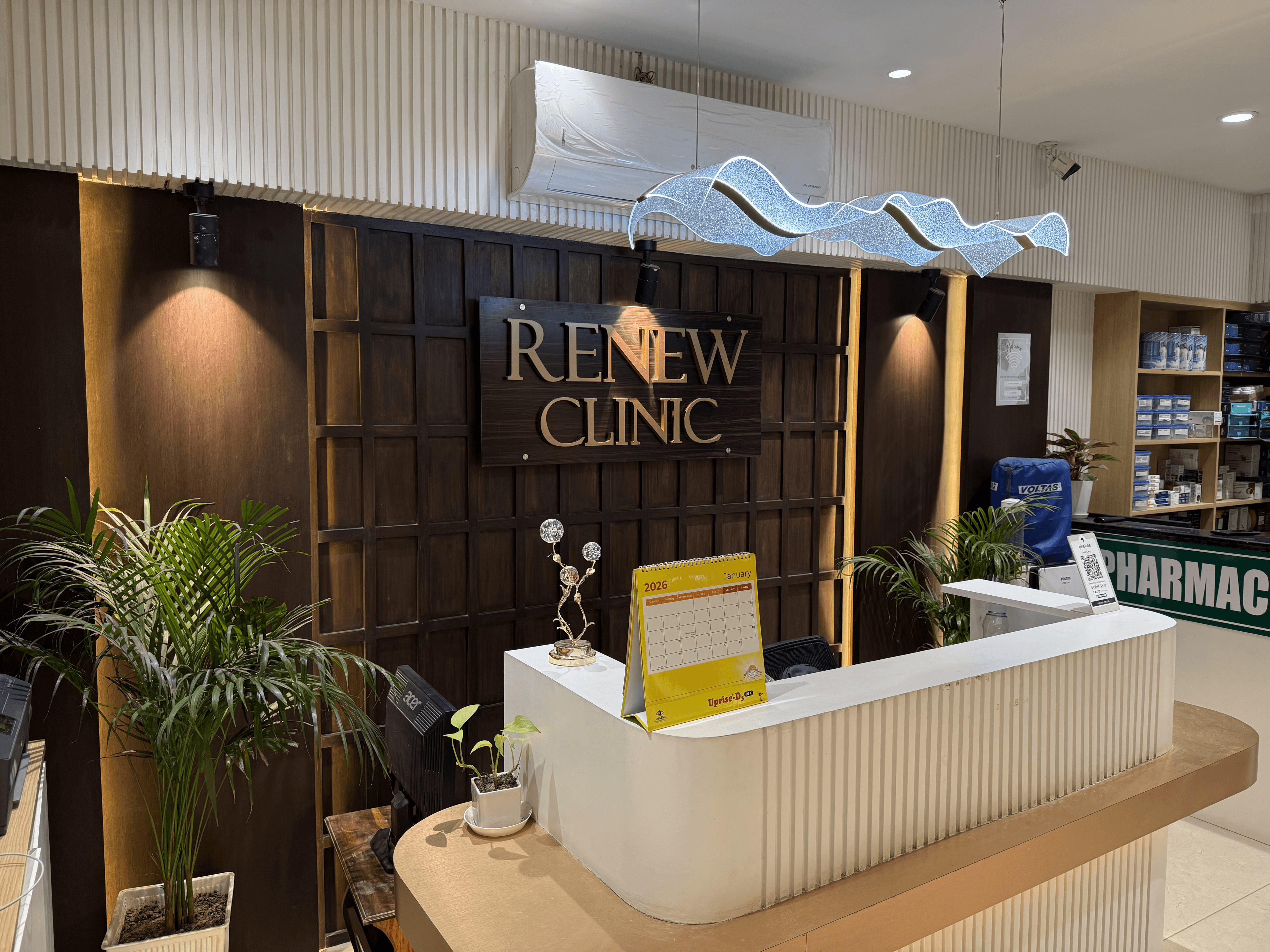
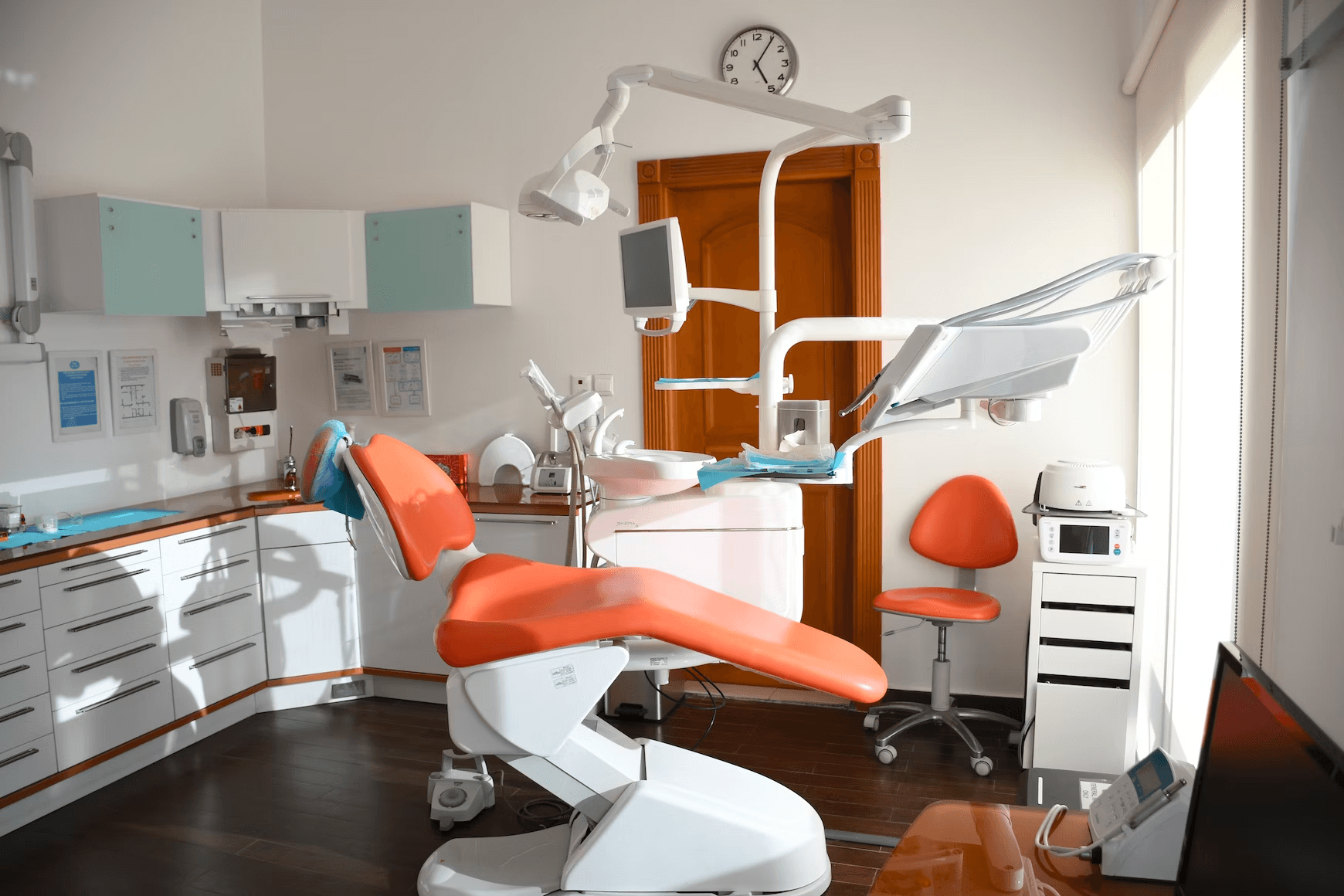
A glimpse into our modern dental clinic, advanced technology, and patient-friendly environment at Renew Dental.
Explore our thoughtfully designed clinic spaces built to provide comfort, cleanliness, and a calming experience for patients of all ages.

Best Dentist in Noida
Renew Dental Clinic located in Noida, Sector 47, is one of the leading dental clinics. Founded by Dr. Suchi Singh who is widely regarded as one of the best dentists in Noida, the clinic is committed to delivering personalised and high-quality dental care. Dr. Suchi Singh focuses on customised treatment plans designed around each patient’s unique needs, ensuring advanced, comfortable and reliable dental care at Renew Dental Clinic.

Your Trusted Dental Experts

Complete Dental Care

Friendly Dental Space

No Hidden Charges

Two trusted dental clinics in Noida — Renew Dental (Sector 47) and Tooth & Truth (Sector 34) — for gentle, modern care.

Renew Orthopedic Clinic, A-321, Basement Floor, Next to Mother Dairy Store, Sector 47, Noida, Uttar Pradesh 201303
 +91 99710 35300
A-98/A, Block A, Sector 34, Noida, Uttar Pradesh 201307
+91 99710 45002© 2026. All rights reserved | Designed and Developed by Zarle Infotech