Early Signs of Gum Disease You Should Never Ignore
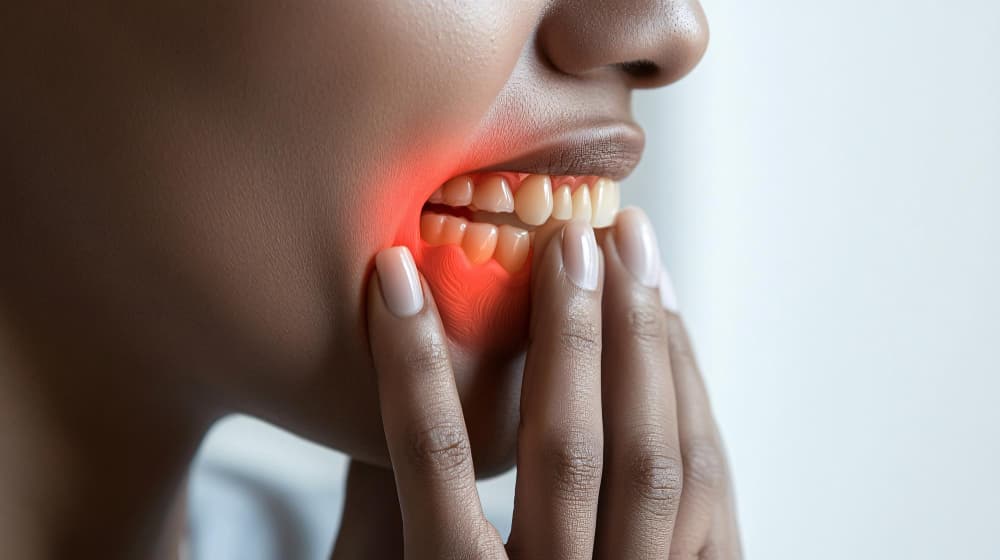
Closeup of person clutching painful gum
Gum disease is the leading cause of tooth loss in adults worldwide. In India, studies suggest the majority of the adult population has some form of gum disease — most of them without knowing it.
The reason so many people miss it: early gum disease causes no pain. The tissue can be significantly inflamed, the bone beginning to be affected, and the patient may notice nothing except occasional minor gum bleeding that they've normalised. By the time gum disease causes obvious symptoms — persistent bad breath, loose teeth, visible gum recession — the damage that's occurred is mostly irreversible.
Catching it early changes everything. Gingivitis (the early stage) is completely reversible. Periodontitis (the advanced stage) can be stabilised but not undone.
Gum Disease — The Two Stages
Gingivitis: Inflammation of the gum tissue (gingiva) caused by bacterial plaque accumulation at the gumline. The gum tissue becomes red, swollen, and bleeds easily. At this stage, the bone and connective tissue supporting the teeth are unaffected. If plaque is removed consistently, gingivitis fully reverses — the gum tissue returns to health.
Periodontitis: If gingivitis isn't addressed, the infection extends below the gumline. The immune system, in attempting to contain the infection, destroys the bone and periodontal ligament supporting the teeth. This bone loss is irreversible. Treatment can halt progression, but the bone doesn't return.
The transition from gingivitis to periodontitis depends on individual immune response, the specific bacteria present, and systemic factors like diabetes and smoking. Not everyone with gingivitis progresses to periodontitis — but the risk is real, particularly in susceptible individuals.
The Early Signs — What to Actually Look For
Gums that bleed on brushing or flossing. This is the most common and most consistently ignored early sign. Healthy gum tissue doesn't bleed when touched. Bleeding on brushing means the gum tissue is inflamed — the blood vessels have multiplied and become fragile in response to the chronic bacterial presence.
Many patients explain this away — "I brushed too hard," "the bristles are firm," "it always does that." The bleeding doesn't happen because of how you brush. It happens because the gums are inflamed. If it's consistent, it's telling you something.
Gums that are redder or more purplish than usual. Healthy gum tissue is pale pink. Inflamed gums are darker — red, sometimes purplish. The colour change is from increased blood flow to the inflamed tissue. Many patients never look closely enough at their gums to notice this, but it's a consistent early indicator.
Gums that look swollen or puffy. Inflamed gum tissue is oedematous — it holds excess fluid. The normally tight fit around each tooth becomes looser. The papillae (the triangular gum points between teeth) become rounded and blunted rather than sharp. Sometimes the swelling is visible as a fullness at the gumline compared to how the gums looked before.
Gums that feel tender when touched. Gingivitis doesn't usually cause spontaneous pain, but the inflamed tissue may be sensitive to pressure. Biting into hard food, or touching the gum directly, causes a mild tenderness that wouldn't be present in healthy tissue.
Persistent bad breath. Morning breath is normal and clears quickly. Persistent bad breath that doesn't resolve with brushing and tongue cleaning, or that returns quickly, is often from the anaerobic bacteria in gum inflammation. These bacteria produce the volatile sulfur compounds responsible for bad breath continuously — not just overnight. Bad breath that persists through the day despite good home hygiene is a red flag for gum disease.
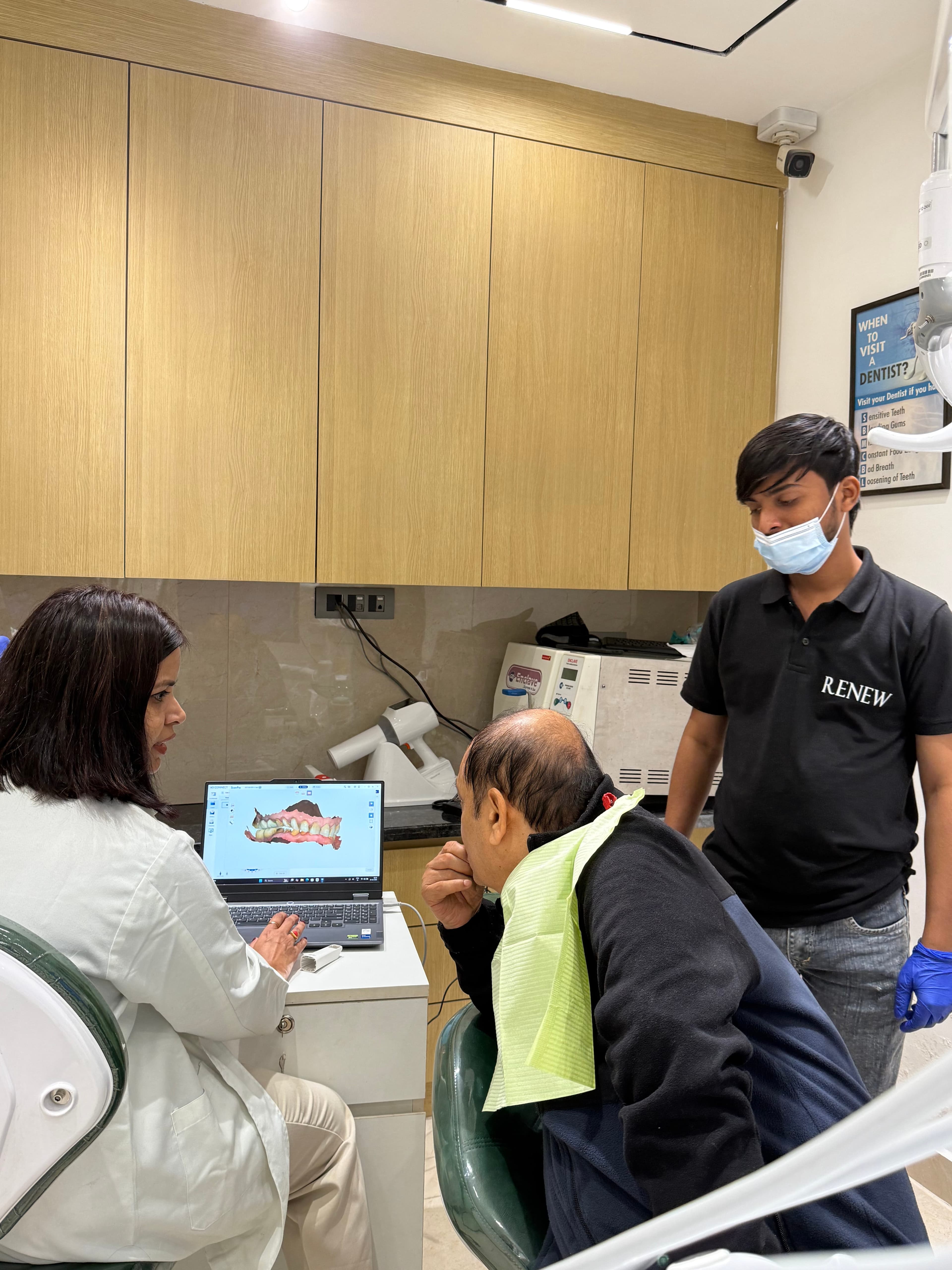
Gums that pull away from the teeth slightly. A very early gum recession — the gumline appearing slightly lower on certain teeth — can indicate inflamed tissue that is beginning to recede. This is subtle enough that most patients don't notice it without a baseline comparison. At Renew Dental Clinic, baseline photographs and measurements provide the reference point for tracking this.
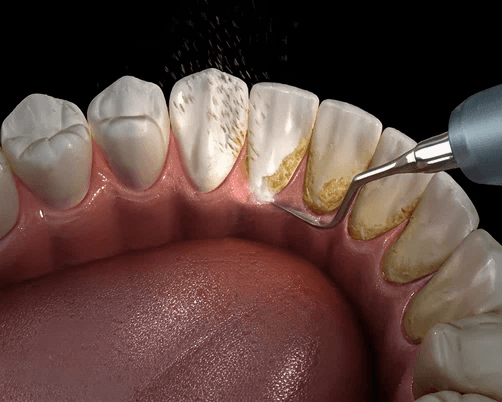
Calculus visible at the gumline. Yellowish or brownish hardened deposits along the gumline — particularly visible on the inner surfaces of the lower front teeth — are calculus (tartar). Calculus harbours bacteria continuously and drives the gum inflammation that, over time, progresses to bone loss. If you can see or feel rough deposits at your gumline, they need to be removed professionally.
What Makes Some People More Susceptible
Not everyone with equivalent plaque accumulation develops gum disease at the same rate. Individual susceptibility varies significantly.
Genetics. Some individuals have an immune response that generates more inflammation in response to the same bacterial challenge. This is partly hereditary. If a parent lost teeth to gum disease, there's a meaningful increase in personal risk.
Diabetes. The relationship between diabetes and periodontitis runs in both directions — each makes the other worse. Uncontrolled blood glucose creates a more inflammatory oral environment and impairs the immune response to periodontal bacteria. Diabetic patients need more frequent dental check-ups and more rigorous gum monitoring.
Smoking. Nicotine constricts blood vessels in the gum tissue, masking the bleeding sign and impairing the immune response. Smokers develop more severe gum disease while showing fewer of the early bleeding symptoms that would normally prompt earlier attention.
Pregnancy. Hormonal changes amplify the gum tissue's response to plaque. Gingivitis is nearly universal in pregnancy, and the combination of morning sickness (adding acid) and gum sensitivity is a significant oral health challenge.
Medications. Certain medications cause gum overgrowth (making cleaning harder) or reduce saliva (removing a natural defence). Blood thinners affect how bleeding gum symptoms present. Any medication change that affects the oral environment should be discussed with Dr. Suchi Singh.
Stress. Chronic psychological stress suppresses immune function, increasing susceptibility to periodontal infection and impairing healing.
What Happens If Early Signs Are Ignored
The transition from gingivitis to periodontitis is not sudden or dramatic. It's gradual — weeks to months of progressive deepening of gum pockets, bone destruction beginning at the crest of the bone supporting the teeth, the gum tissue pulling back as it loses its attachment.
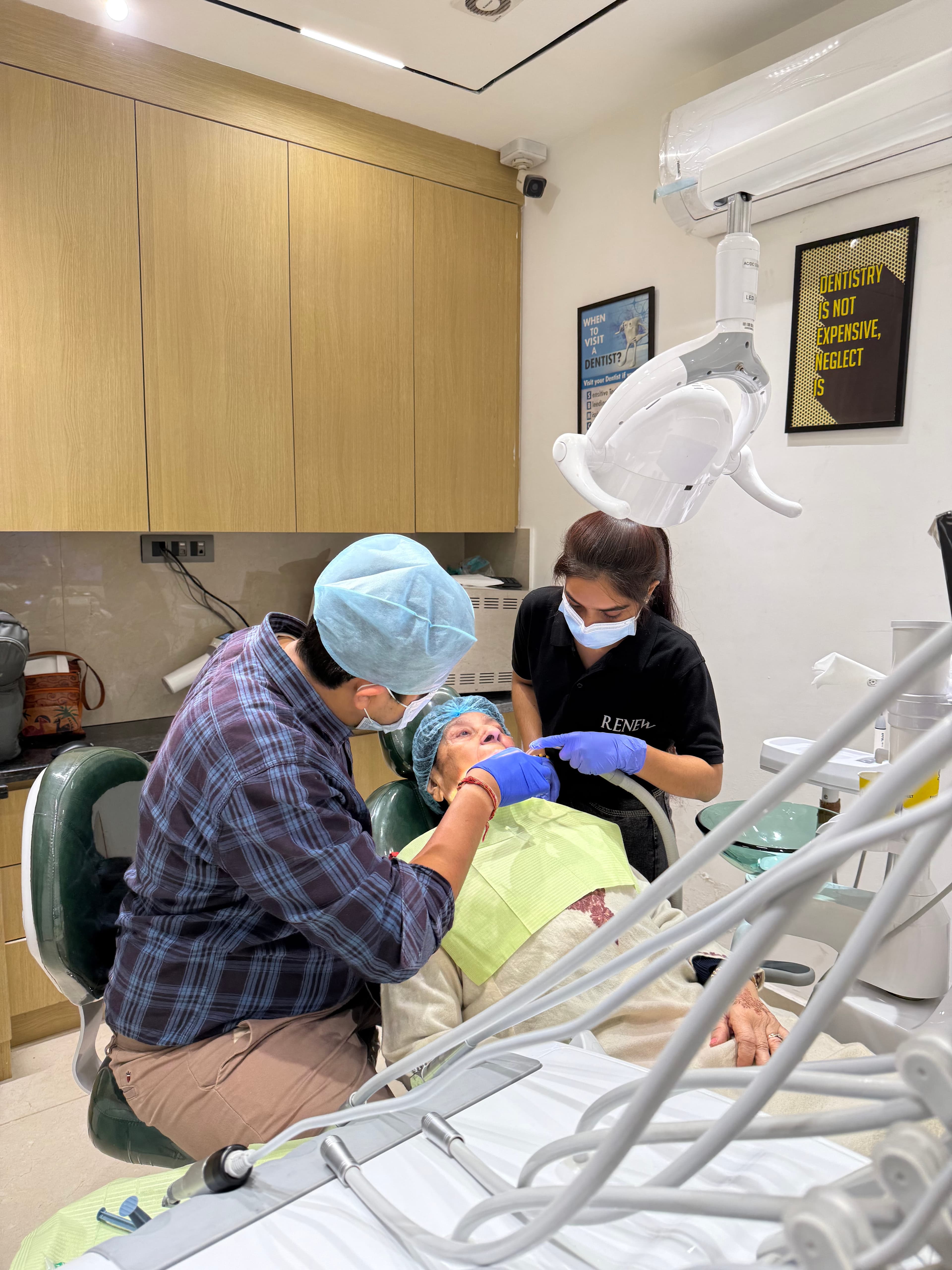
Patients who arrive at Renew Dental Clinic with established periodontitis typically have a long history of the early signs described above, followed by years of normalising them.
Treatment at the gingivitis stage: professional scaling and improved home hygiene. Often a single appointment.
Treatment at the established periodontitis stage: deep scaling and root planing across multiple appointments. Sometimes surgical intervention for deeper pockets. Lifelong 3 to 4 monthly maintenance appointments to prevent recurrence.
The difference in treatment burden is enormous. The difference in outcome — reversibility versus permanent bone loss — is more so.
The Check-Up as Early Detection
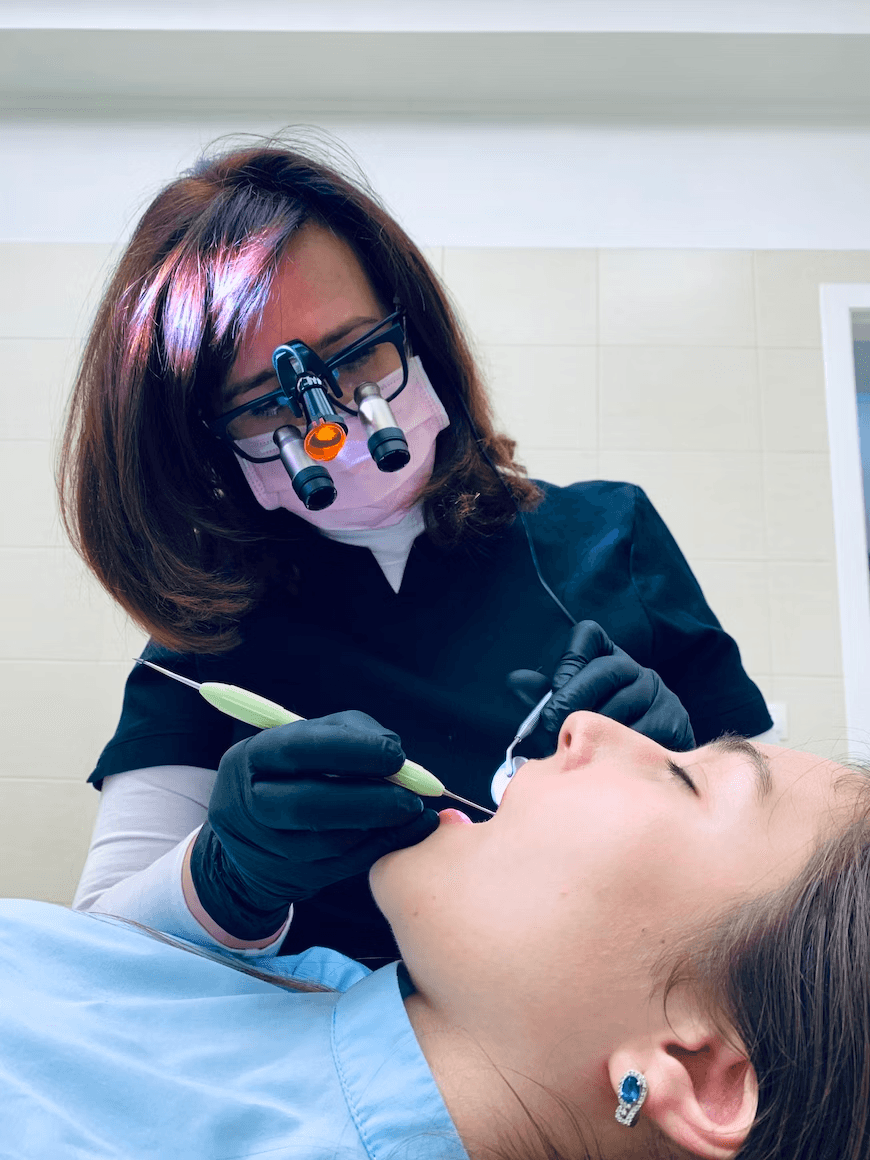
The periodontal assessment at a dental check-up — pocket depths measured with a probe, bleeding on probing recorded, bone levels assessed on X-ray — is specifically designed to catch gum disease in its earlier stages.
A patient who doesn't attend regular check-ups can lose significant bone before any symptom becomes obvious enough to prompt a visit. A patient who attends 6-monthly check-ups at Renew Dental Clinic will have any developing pocket depth identified, quantified, and managed before it progresses.
To book a check-up and gum assessment at Renew Dental Clinic, Sector 47, Noida, call (0120) 498-8333.
Monday–Saturday 10:30 AM – 8:00 PM | Sunday 11:00 AM – 2:30 PM.