By Renew Dental ClinicPublished on
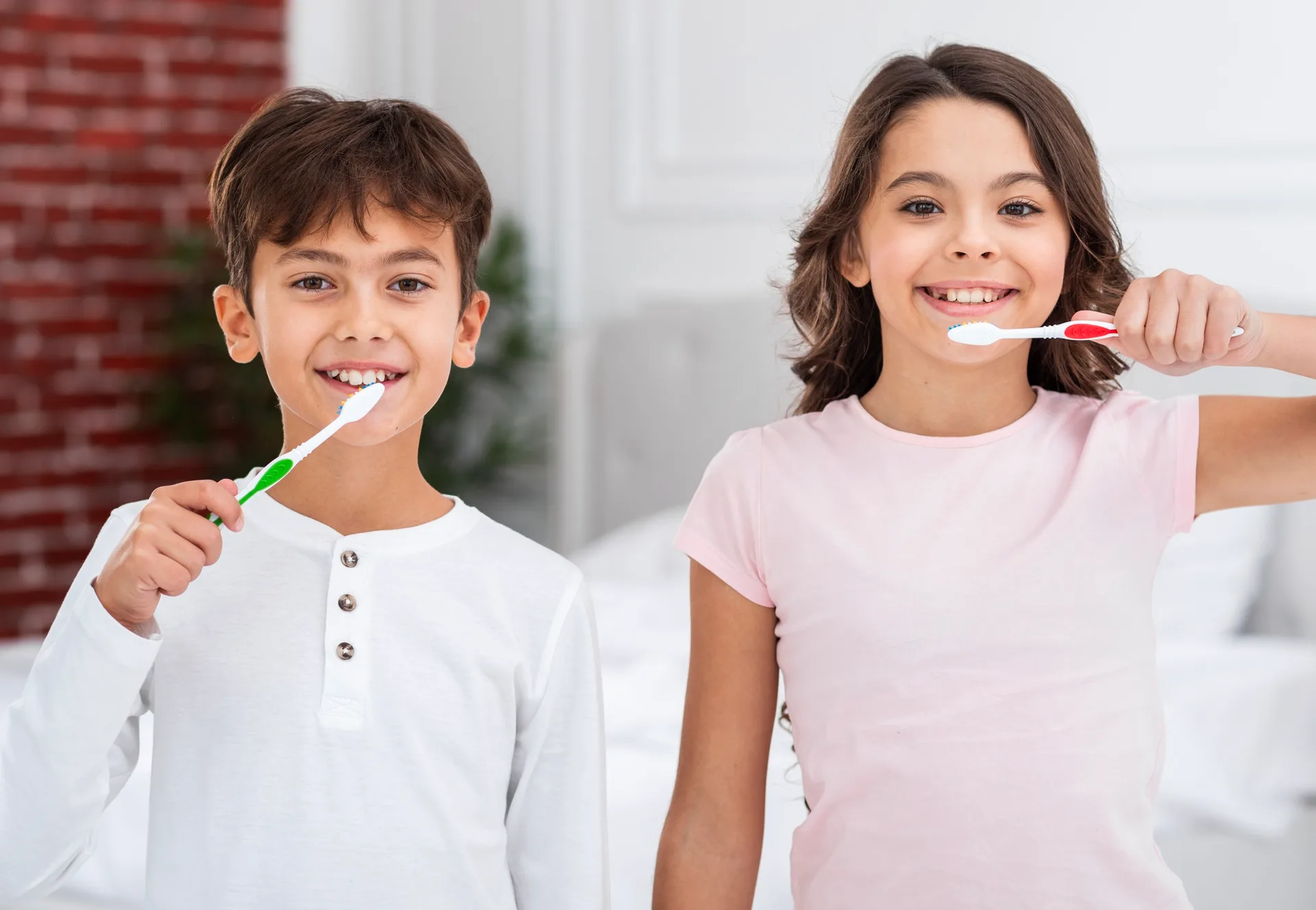
Two kids brushing their teeth, promoting healthy dental habits and the importance of daily oral care from an early age.
Whitening toothpastes are everywhere. In India's dental care market, they're among the most purchased products in the oral care aisle, marketed with before-and-after comparisons showing dramatic shade improvements and language suggesting results comparable to professional treatments.
The honest assessment: whitening toothpastes work in a limited and specific way. They remove surface staining that has accumulated on enamel. They do not change the underlying colour of the tooth. They do not produce the shade improvement that professional whitening produces. And several of them, used incorrectly or in the wrong clinical situation, cause more harm than benefit.
Here's what's actually inside them, what they can and cannot do, and how to decide whether they're appropriate for you.
Understanding what whitening toothpaste addresses requires distinguishing two types of tooth discolouration.
Extrinsic staining — stains that sit on or near the outer surface of the enamel, within the pellicle (the thin protein film that coats teeth). These come from tea, coffee, tobacco, red wine, certain foods, and the natural accumulation of pigmented compounds that bind to the pellicle over time. This type of staining is what whitening toothpaste addresses.
Intrinsic discolouration — colour changes within the enamel or dentine itself. This includes the natural warm yellow tone of the dentine showing through the enamel; tetracycline antibiotic staining that incorporated into the developing tooth; fluorosis; ageing-related enamel thinning that makes the underlying dentine colour more visible; and internal darkening from trauma. Whitening toothpaste cannot address intrinsic discolouration. Neither can most over-the-counter products.
A patient who looks in the mirror and thinks their teeth are "too yellow" may have either type — or both. Whitening toothpaste will help the first; it will not change the second.
Commercial whitening toothpastes use one or a combination of two main mechanisms.
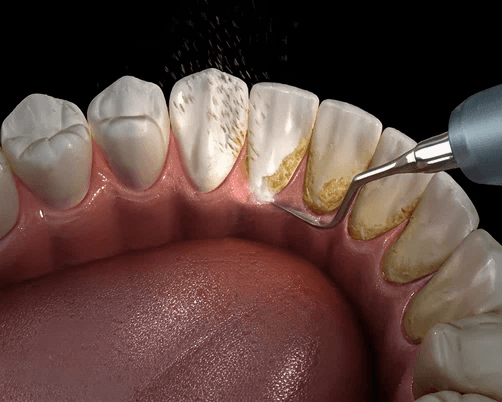
The most common mechanism. Whitening toothpastes typically contain higher concentrations of abrasive particles than standard toothpastes. These abrasives — often silica, calcium carbonate, or bicarbonate — mechanically polish the enamel surface during brushing, removing surface staining deposits and creating a smoother, more light-reflective surface.
The degree of abrasivity is measured on the Relative Dentin Abrasivity (RDA) scale:
The higher the RDA, the more effectively surface staining is removed — and the more enamel is abraded over time. This creates a direct trade-off: the abrasion that removes surface staining also removes small amounts of enamel with each brushing session. Over years of daily use, this accumulates.
For patients who already have thin enamel, enamel erosion from dietary acids or GERD, or exposed root dentine (root surfaces are softer than enamel and abrade much faster), high-abrasivity whitening toothpastes accelerate wear in ways that outweigh any cosmetic benefit.
Some whitening toothpastes contain low concentrations of hydrogen peroxide or carbamide peroxide — the same agents used in professional whitening, but at much lower concentrations (typically 1 to 3% hydrogen peroxide versus 25 to 35% in professional in-office treatment).
At these concentrations and with the contact time available during brushing (roughly 2 minutes, after which the toothpaste is rinsed away), the peroxide provides some oxidation of stain molecules within the enamel. The effect is real but modest.
Professional whitening achieves shade improvements of 4 to 8 levels on a standardised shade guide in a single session. Whitening toothpastes, used consistently over weeks to months, typically produce 1 to 2 shade levels of improvement at most — primarily from surface stain removal rather than genuine enamel lightening.
Some whitening toothpastes include blue covarine or similar optical brightening agents. These coat the tooth surface with a thin, blue-reflecting layer that creates a visual "whiter" appearance through optical illusion rather than actual stain removal. The teeth appear whiter immediately after brushing and while the coating is intact — but the effect wears off within hours as the coating is washed away by saliva.
This is effectively cosmetic manipulation rather than dental treatment. Not harmful, but not genuine whitening.
Surface stain from tea, coffee, or tobacco: Noticeable improvement for many patients. The abrasive polishing removes accumulated surface pigmentation effectively when the staining is recent and superficial. Patients who drink several cups of tea daily and have never used a whitening toothpaste will often see a visible difference after a month.
Deep or long-established staining: More modest improvement. Staining that has penetrated deeper into the pellicle or early enamel pores is harder for mechanical abrasion to address. The toothpaste helps, but not dramatically.
Age-related yellowing from dentine showing through thinning enamel: Minimal to no effect. This is intrinsic change from structural enamel changes, not surface staining.
Tetracycline or fluorosis staining: No meaningful effect.
The RDA value of a whitening toothpaste is rarely printed on the packaging. Consumers have limited information about the abrasivity of their product. This matters for specific patient populations.
Patients with gum recession. When the gumline recedes and root surface is exposed, the soft root dentine is in direct contact with the toothpaste during brushing. Root dentine has no enamel protection and abrades at approximately 25 to 35 times the rate of enamel under the same conditions. High-abrasivity whitening toothpaste on exposed root surfaces creates significant wear — manifesting as deepening notches at the gumline and increasing sensitivity.
Patients with enamel erosion. Acid-softened enamel is more susceptible to abrasive wear. Patients whose diet includes frequent acidic drinks or who have GERD should avoid high-abrasivity whitening toothpastes.
Patients with sensitive teeth. Whitening toothpastes often contain peroxide, which temporarily increases dentinal tubule permeability and worsens sensitivity. If sensitivity is the primary concern, a desensitising toothpaste is more appropriate than a whitening one.
Children. Standard children's toothpaste is already formulated appropriately. Whitening toothpastes are not appropriate for children and should not be used until after enamel is fully formed in later adolescence.
The Indian toothpaste market includes international whitening brands alongside domestic herbal and Ayurvedic formulations that sometimes carry "whitening" or "bright" claims.
Charcoal toothpastes have become prominent in India's urban market. Activated charcoal is physically abrasive and the science around its whitening effect is weak. The ADA has specifically declined to give its seal of acceptance to any charcoal toothpaste and has raised concerns about charcoal's abrasivity on enamel. The fine carbon particles in charcoal toothpaste can also penetrate into gum tissue spaces.
Baking soda-based whitening toothpastes have a more positive evidence base. Baking soda has relatively low abrasivity despite its whitening effect — its particles are small and dissolve against the tooth surface — and it's effective at surface stain removal. A mild to moderate RDA and genuine stain-removal efficacy makes baking soda-containing whitening toothpastes one of the more defensible options.
High-silica whitening formulations (like Colgate Optic White and similar) use fine silica abrasives calibrated to remove staining without excessive enamel abrasion. These are generally preferable to coarser whitening abrasives.
Whitening toothpaste is a reasonable choice for patients who:
Whitening toothpaste is not appropriate for patients who:
The comparison comes up often. The straightforward version:
Whitening toothpaste removes surface deposits and provides at best 1 to 2 shade levels of improvement over weeks to months. It's maintenance and mild improvement, not transformation.
Professional laser whitening at Renew Dental Clinic, Sector 47, Noida achieves 4 to 8 shade improvements in a single 60-to-75-minute session. The mechanism — high-concentration peroxide activated by a dental laser — penetrates into the enamel and dentine to oxidise stain molecules that surface abrasion cannot reach.
For patients who've been using whitening toothpaste for months without satisfactory results, professional whitening is the intervention that produces the result they were expecting from the toothpaste.
For patients who've had professional whitening and want to maintain the result — whitening toothpaste is a reasonable ongoing adjunct to slow stain reaccumulation.
Can whitening toothpaste make teeth sensitive?
Yes. Peroxide-containing whitening toothpastes temporarily increase dentinal tubule permeability, which can worsen existing sensitivity or create new sensitivity. If sensitivity develops, switch to a desensitising toothpaste.
How long should I use whitening toothpaste before seeing results?
4 to 6 weeks of twice-daily use. If no noticeable improvement in surface staining has occurred by then, the staining may be more intrinsic in nature and professional whitening is more appropriate.
Is it safe to use whitening toothpaste every day?
For patients with healthy enamel and no recession, daily use of a moderate-RDA whitening toothpaste is generally safe. High-abrasivity formulations used daily over years carry more risk of cumulative enamel wear.
To discuss teeth whitening options at Renew Dental Clinic, Sector 47, Noida, call (0120) 498-8333.
Monday–Saturday 10:30 AM – 8:00 PM | Sunday 11:00 AM – 2:30 PM.
 Copy
Copy
A sharp jolt from cold water hitting a tooth is hard to ignore. This guide...
04 Sept 2026
by Renew Dental Clinic
Most people pick the wrong bristle hardness because firm feels more effective. It isn't. This...
01 Sept 2026
by Renew Dental Clinic
Most people who floss aren't doing it correctly. This guide covers the proper technique for...
31 Aug 2026
by Renew Dental Clinic

Find out what preventive dentistry is, why it matters to your oral health, and how...
22 Sept 2025
by Renew Dental Clinic

Jaw pain, clicking or trouble opening your mouth? Learn what causes TMJ problems in Noida, how Renew Dental diagnoses them and what treatment can achieve.
07 Oct 2026
by Renew Dental Clinic
Gums bleeding when you brush or floss? This guide explains the real causes of gum...
09 Jul 2026
by Renew Dental Clinic
Toothpaste ads show a full brush of foam. Dentists recommend a pea-sized amount. This guide...
17 Aug 2026
by Renew Dental Clinic
Gum bleeding during pregnancy is extremely common — and frequently mismanaged. This guide explains why...
07 Sept 2026
by Renew Dental Clinic
Discover essential oral hygiene habits every adult should follow to maintain healthy teeth, fresh breath, and overall dental health.
08 May 2026
by Renew Dental Clinic
Need a tooth filling in Noida? This complete guide covers every type of dental filling...
08 Jun 2026
by Renew Dental Clinic

Worried about pain during a cavity filling? This honest guide from Renew Dental Clinic Noida...
09 Jun 2026
by Renew Dental Clinic

Discover the benefits of dental sealants for kids and adults. Understand how this protective procedure...
22 Sept 2025
by Renew Dental Clinic
Braces make cleaning between teeth harder — and more important. This guide covers every method...
26 Aug 2026
by Renew Dental Clinic
Most Noida parents wait until their teenager asks for braces. Learn when to book an orthodontic assessment, which options suit teens, and what to expect.
09 Oct 2026
by Renew Dental Clinic
Looking for orthodontic treatment near Greater Noida? This guide covers all braces and aligner options...
10 Jun 2026
by Renew Dental Clinic
Explore More
Discover how thousands of patients trust Renew Dental Clinic with their smiles.
The clinic is equipped with most advanced equipment and team of experienced doctors led by Dr Suchi Singh.
Yet to come across such a efficient,well behaved and dedicated Doctor. Will go high like sky.
Hello everyone. I m taking my dental treatment from Dr Shuchi Singh last six months. She is very very good dentist professionally and a very good human being. She treats her patients very well. She listens to her patients, pays full attention and
Best dental surgeon in noida ncr
She is the best doctor in Noida
Very nice and senenior doctor.
My experience here is very good..I recommend PPL to visit this clinic for their dental problems
Best dental clinic..
I went to Renew Dental and visited Dr. Suchi and team. The staff was very professional and the clinic provides with a very good ambience. The staff was polite and humble.
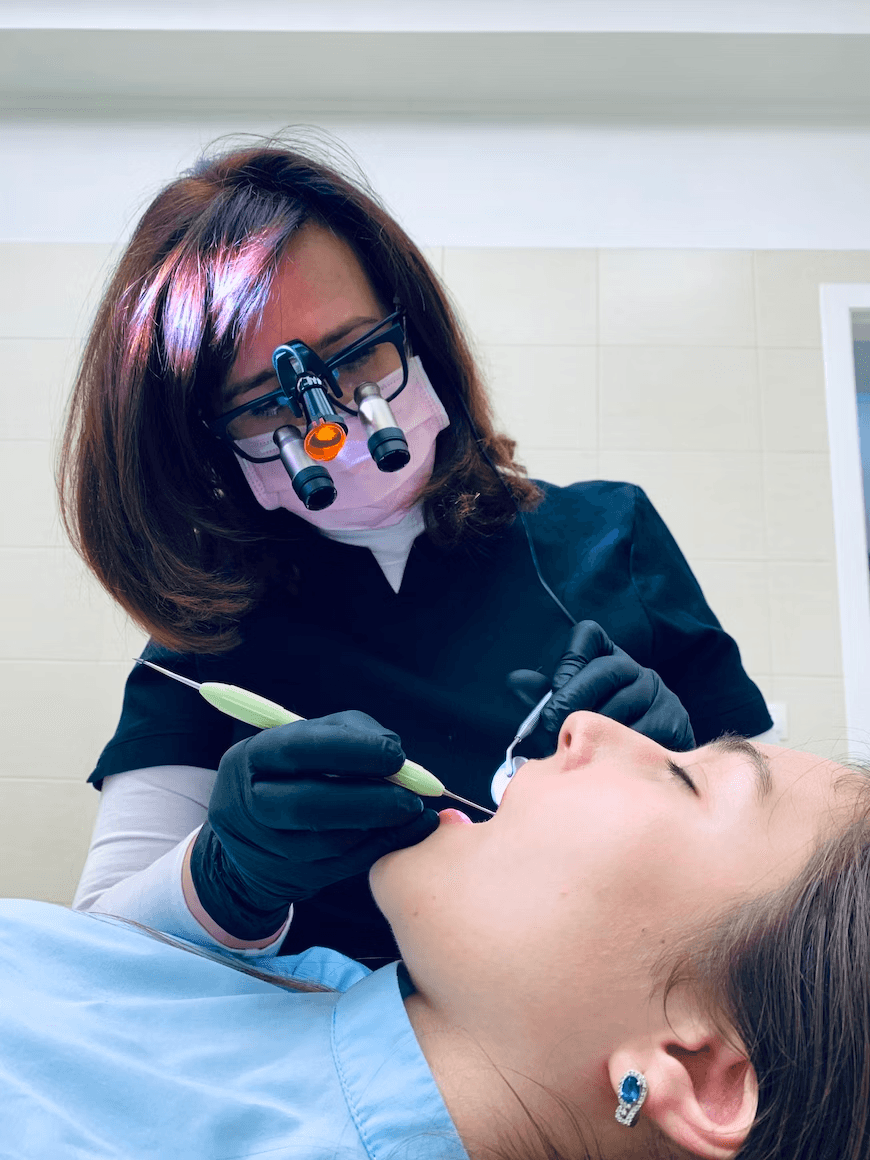
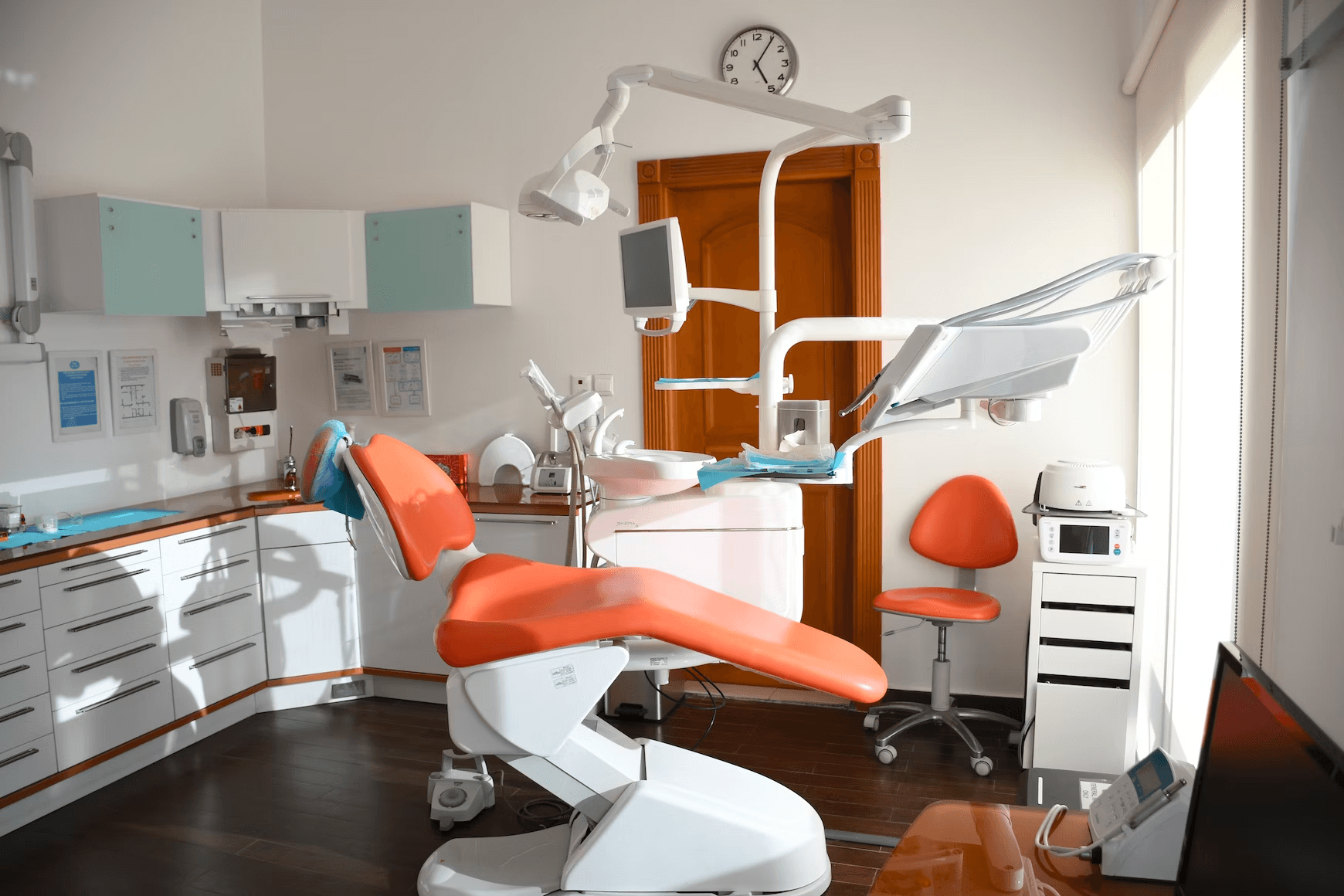
A glimpse into our modern dental clinic, advanced technology, and patient-friendly environment at Renew Dental.
Explore our thoughtfully designed clinic spaces built to provide comfort, cleanliness, and a calming experience for patients of all ages.



Best Dentist in Noida
Renew Dental Clinic located in Noida, Sector 47, is one of the leading dental clinics. Founded by Dr. Suchi Singh who is widely regarded as one of the best dentists in Noida, the clinic is committed to delivering personalised and high-quality dental care. Dr. Suchi Singh focuses on customised treatment plans designed around each patient’s unique needs, ensuring advanced, comfortable and reliable dental care at Renew Dental Clinic.

Your Trusted Dental Experts

Complete Dental Care

Friendly Dental Space

No Hidden Charges


Two trusted dental clinics in Noida — Renew Dental (Sector 47) and Tooth & Truth (Sector 34) — for gentle, modern care.

Renew Orthopedic Clinic, A-321, Basement Floor, Next to Mother Dairy Store, Sector 47, Noida, Uttar Pradesh 201303
 +91 99710 35300
A-98/A, Block A, Sector 34, Noida, Uttar Pradesh 201307
+91 99710 45002© 2026. All rights reserved | Designed and Developed by Zarle Infotech