Why Oral Hygiene Matters to Your Overall Health?

Poor oral hygiene can lead to gum disease, which has been linked to heart disease and stroke.
A bright, white smile has long been a symbol of beauty and confidence. Do you know that your dental health tells a whole lot about your health in general, though? Proper oral hygiene is more than avoiding bad breath and cavities; it plays a crucial role in keeping your entire body healthy. Research shows that an unhealthy mouth can lead to life-threatening diseases like heart disease, diabetes, respiratory infections, and pregnancy complications.
In this blog post, we will talk about why oral hygiene is important, how it is connected to your overall health, and the simple daily routine habits that can make your body, gums, and teeth healthy.
What Is Oral Hygiene?
Oral health is having a clean and healthy mouth, teeth, and gums. It is a daily practice that keeps diseases like cavities, gum disease, and bad mouth odor at bay.
Proper oral hygiene includes:
- Brushing teeth twice a day with fluoride toothpaste.
- Daily flossing to remove food and plaque between the teeth.
- Mouthwash to reduce bacteria.
- Regular check-ups and professional cleaning with the dentist are recommended.
Preventive treatment is the answer here. Instead of waiting for something to go awry with your teeth or for it to be costly, proper oral hygiene keeps problems from arising before they can develop into problems.
Dental Health and General Health
Your health is directly connected to oral health because your mouth is the entryway to your respiratory and digestive system. Your mouth bacteria, if left uncontrolled, would infect and spread to your whole body. Let us see how oral care impacts all aspects of health.
1. Oral Health and Cardiovascular Health
Gum disease or periodontitis has been found to increase the risk of heart disease and stroke. This is because the gum infection releases bacteria into the bloodstream, which causes inflammation in the blood vessels. This inflammation over time is likely to lead to plaque development in the arteries, increasing the risk of heart attack and stroke.
Maintaining the health of your gums through brushing, flossing, and regular dental cleaning will significantly lower this risk.
2. Diabetes and Oral Health
Diabetes and oral health go hand in hand. People with diabetes are prone to gum disease as high blood glucose levels weaken the immune system, making it harder for the body to fight off infection. Or, gum disease will likely complicate blood glucose regulation, leading to complications.
That is why dentists and physicians usually recommend periodic oral examinations for diabetic patients to maintain both their gums and blood sugar under control.
3. Oral Health and Respiratory Health
Bad oral hygiene can also harm your lungs. Bacteria from infected teeth and gums can travel down into the respiratory system, where they predispose to infections such as pneumonia, bronchitis, and chronic obstructive pulmonary disease (COPD).
For older patients or those with compromised immune systems, this risk is even greater. Proper oral hygiene can keep your lungs healthy and prevent respiratory disease.
4. Oral Hygiene and Pregnancy
Pregnant women must take extra care of their oral health. Pregnancy gum disease has linkages with premature birth, low birth weight, and others. The truth is that infection of the gums causes the release of toxic chemicals that affect the unborn baby.
Regular check-ups with the dentist, regular brushing, and proper eating are the keys to maintaining the health of both pregnant women and their babies.
5. Oral Health and Immunity
Your defense system in the body fights strongly against disease-causing bacteria and infection. If your mouth is unclean, bacteria of gum disease and cavities can travel into your bloodstream and be pumped all around your body, putting extra work on your defense system.
By maintaining good oral health, you remove this load of bacteria, and your defense system can then stay healthy and work on other health problems.

Bacteria from infected gums can travel into the bloodstream, increasing inflammation in the body.
Common Oral Diseases Caused by Poor Hygiene
Poor oral hygiene has the potential to cause many dental problems, including:
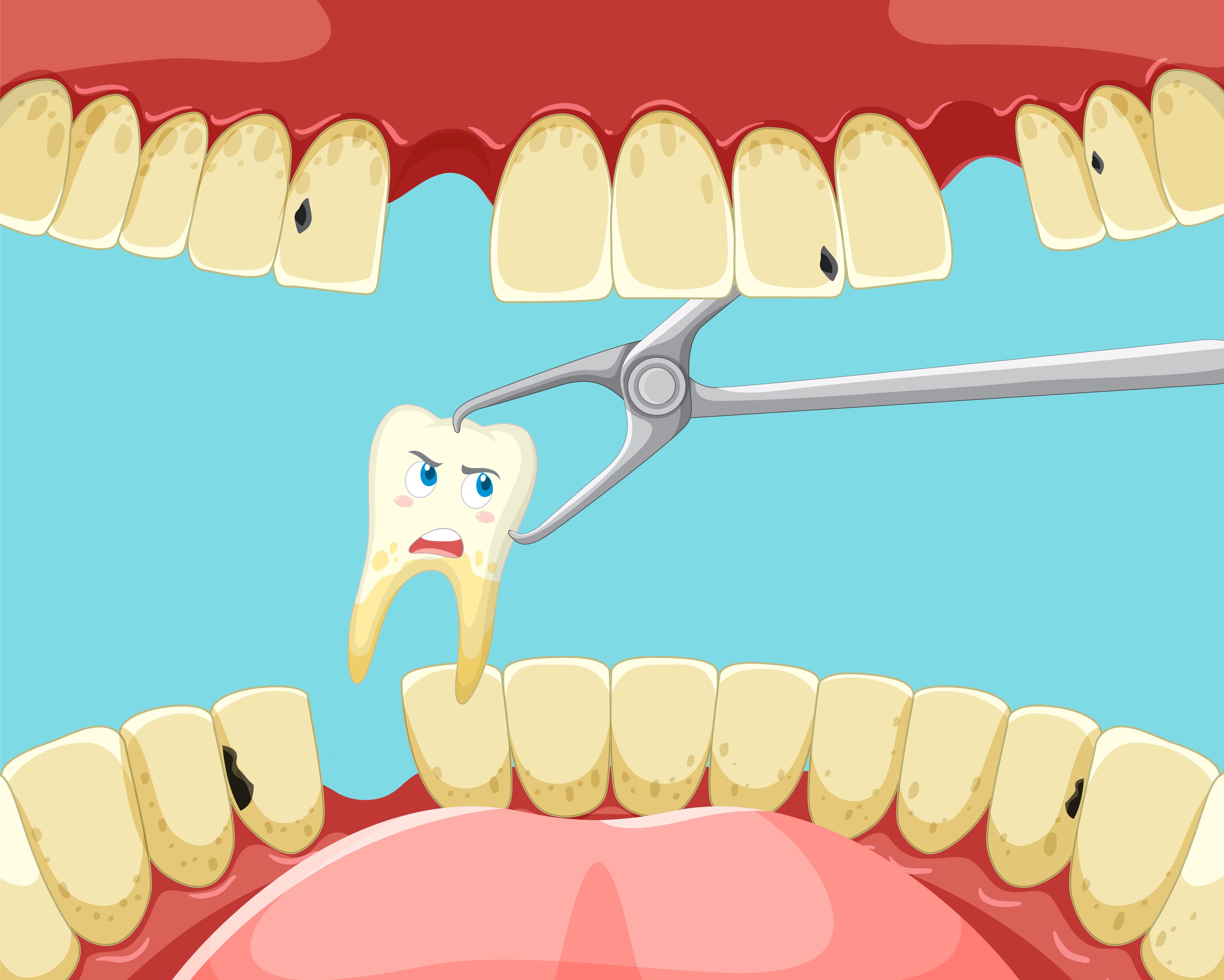
- Tooth Decay and Cavities: Bacteria on the sugar ferment the sugar and form acids that break down the enamel.
- Gum Disease (Gingivitis and Periodontitis): Infection caused by bacteria and inflammation of the gums that may lead to the loss of teeth.
- Bad Breath (Halitosis): Persistent bad smell due to bacteria, food debris, or infection.
- Tooth Loss and Infection: Teeth will loosen or fall out due to untreated cavities and gum disease.
These issues will not only destroy your smile, but they'll also damage your overall health.
Daily Habits for Improved Oral Hygiene

Healthy oral health starts with your daily habits.
These are the most important ones:
1. Brushing Techniques
Brush your teeth twice a day using a soft-bristle toothbrush and fluoride toothpaste. Position the brush against your gums at a 45-degree angle and brush in gentle, light circular movements instead of hard scrubbing. Brush your tongue also because it harbors bacteria.
2. Flossing and Mouthwash
Flossing removes food particles and plaque from the spaces your toothbrush can't access. Mouth rinse with an antibacterial mouthwash that kills bacteria and leaves your mouth smelling fresh.
3. Oral Health and Diet
A balanced diet plays a great deal in ensuring mouth health. Food items like dairy foods, green vegetables, crunchy vegetables, and nuts strengthen teeth and gums. Drinks and foods with sugar, candies, and sticky foods weaken teeth, making them susceptible to cavities and gum disease.
4. Frequent Dental Visits
Visiting your dentist every six months provides the opportunity to catch problems early. Tartar build-up is stripped away by professional cleaning, and gum disease is prevented. Dentists can screen for such early cavities, oral cancer, or other issues.
Long-Term Rewards of Oral Hygiene
Oral hygiene is an investment in health that reaps its rewards over the long term. A few of the most significant benefits are:
- Better overall health: Reduced risk of heart disease, complications due to diabetes, and respiratory infections.
- Healthier teeth and gums: Reduced risk for tooth loss and gum disease.
- Greater confidence: Fresh breath and a clean mouth build confidence.
- Savings on healthcare costs: Preventive care is cheaper than costly treatments later on.
- Oral health goes beyond pearly whites; it is crucial to your overall health. From preventing heart attacks and lung disease to enhancing your immune system, mouth care has benefits that reach far beyond a bright smile.
By doing a few but frequent things like brushing, flossing, eating right, and seeing the dentist regularly, you can maintain your oral health and your overall health. Remember that a healthy mouth leads to a healthy life.
Frequently Asked Questions
Q1: How often should I brush and floss to have the best oral health?
You need to brush your teeth twice a day and floss once a day. Brushing removes plaque on the front of your teeth, but flossing removes the plaque between your teeth that your toothbrush is unable to reach.
Q2: Can bad oral health damage the heart?
Yes. Bacteria present in gum disease can enter the blood, cause inflammation, and increase the chances of heart disease and stroke.
Q3: What are the first signs of gum disease?
The first signs are bleeding gums, red or sore gums, especially when you brush or floss. Persistent bad breath is an early sign as well.
Q4: How often do I need to visit the dentist for check-ups?
You should visit the dentist every six months. But those people with gum disease, diabetes, or other ailments might need to see them more often.
Q5: What foods naturally enhance oral health?
Dietary sources of vitamin D and calcium (milk, cheese, yogurt), green leaf vegetables, apples, carrots, nuts, and green tea all help maintain your gums and teeth healthy. Consuming plenty of water also cleanses your mouth and kills germs.